
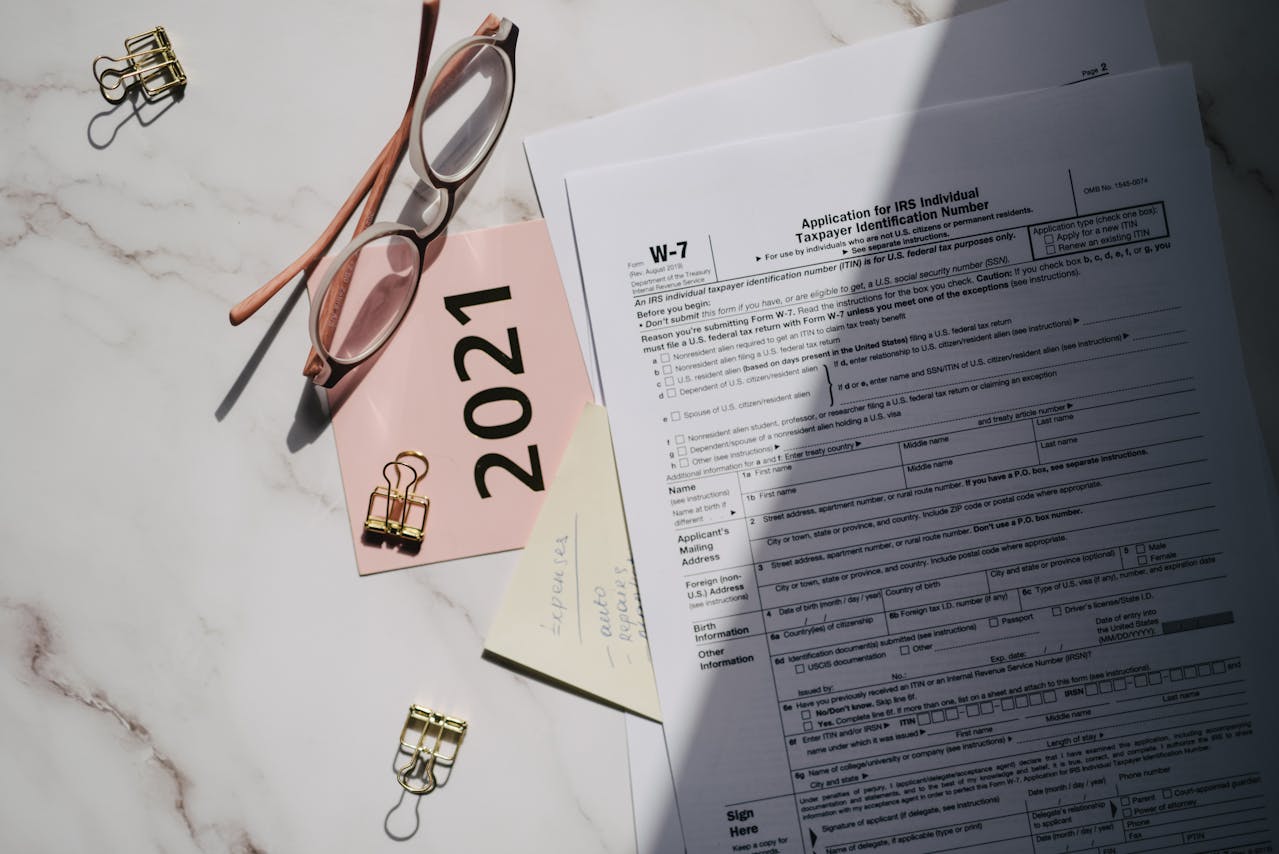
Going overseas and getting a new address is not the only thing that’s changed. It also influences your status as seen by banks, tax offices, employers, landlords, and government systems.
For many expats, the tax identification number is the first real toe-tap into a country’s official system. In some countries, like Spain, this number is also known as NIF, and in others, it is known by different names. The name, no matter what it is, is how the local authorities will know you for tax, financial, and legal reasons.
What Expats Should Check First
Before relocating, familiarise yourself with the tax ID system in your destination country. It depends on various factors, such as your nationality, the type of visa you are seeking, your job plans, and how long you plan to stay. A little pre-planning will help save time once you reach your destination.
Important things to consider include:
- Local name of the tax identification number.
- If you have to apply before or after your arrival.
- What documents will be needed?
- The need for a local address or not.
- The typical approval time.
- When the number is plugged into a function.
Reasons to Understand Tax Identification Numbers
Here are reasons why it is essential for an expat to learn about tax identification numbers:
1. A Tax Number Is More than Paperwork
Expats often believe the significance of their tax ID lies only with the start of tax season. It’s a common error. As a matter of fact, you may need it before your initial return.
This number may be required when opening a bank account, signing a work contract, renting a home, buying property, or registering with local services. Some companies may not even consider your application until you do.
2. It Helps You Avoid Costly Mistakes
International tax regulations can be murky for transfrontier transactions. You can make money in one country, live in another, and have responsibilities in your home country. A tax identification number helps to track records.
Inaccuracies in your information could mean tax offices will match your income, payments, and personal details less accurately. This decreases lost notifications or incorrect tax bills.
3. It Makes Daily Life Much Easier
One thing you may discover you regularly identify with in your life overseas is a tax identification number. This may be required if you are setting up utilities, buying insurance, obtaining local benefits, or starting a business.
Expats should, from the outset, ensure they have a clear record of this number. It is best to keep it safe, make sure your name is spelled correctly, and, if you move, update your information in it.
4. It Protects Your Financial Identity
A tax identification number is linked to private financial information. Therefore, it should be handled with care. Send it only to trusted organisations that have a need for it.
With the new expats, scammers can target them because they may not be familiar with local systems. Be cautious of e-mail, phone calls, or messages that request your personal tax information.
In conclusion, tax identification numbers are important for expats because they affect legal records, work, housing, and finances. They help you settle down more quickly and avoid potential issues that may persist for years. But once you know this number, your move abroad will be much less stressful.