
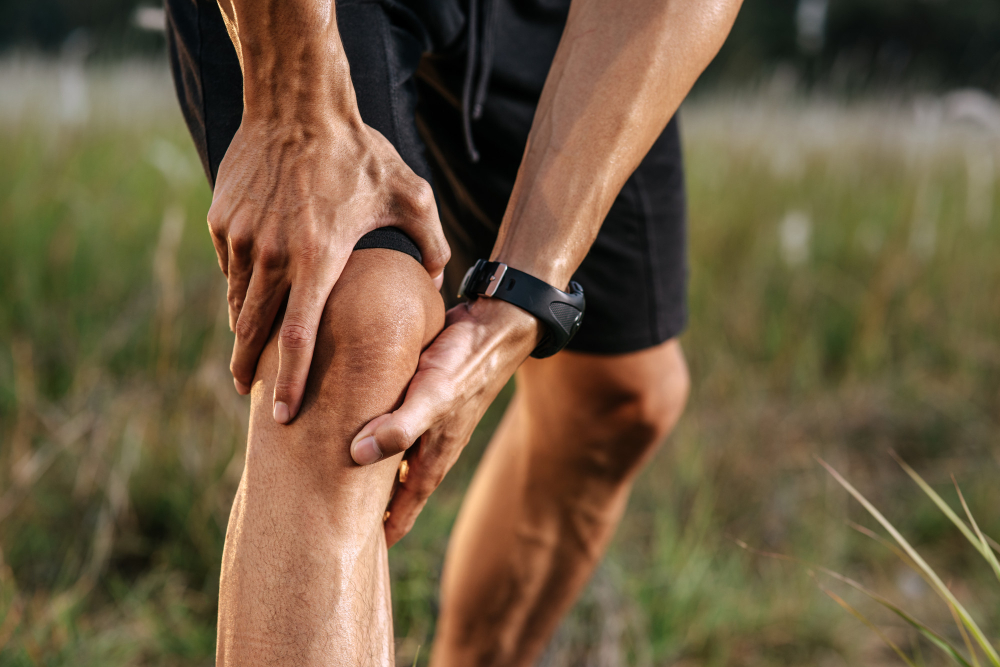
At one time, knee pain was for old athletes and laborers. And today it appears to be the most prevalent musculoskeletal complaint in all age groups. Whether its young professionals spending hours on the desk or middle-aged people wanting to stay active, knee pain has stopped targeting a particular age group. The long, slow increase in reported knee problems represents a deeper transformation of how we live, work, move and even rest. Contemporary living, for all its advantages and technical marvels, is taking a terrible toll on one of the body’s most important joints.
The Lifestyle Change That’s Reshaping Joint Health
How daily life has changed over the past two decades The workplace has become less physically demanding and more sitting based. Movement on a daily basis has been cut drastically due to working from home, more time spent in front of screens and communicating digitally. Nowadays a lot of people spend eight to ten hours sitting with very short breaks.
The weak abdominals and reduced lower back muscles which comes together with a slightly bent position, will also cause the knee joint to lack proper muscle stability, while sitting. When these supporting muscles get weak and stiff, the knee takes on greater direct stress that comes with walking, stair-climbing and even just standing. Over time, such imbalance may result in inflammation, stiffness and chronic pain.
Meanwhile, contemporary convenience has leeched away spur-of-the-moment physical activity. Stairs are replaced with elevators, meal deliveries take the place of going to (or working at) the supermarket and entertainment is often screen-based rather than movement-based. Although these adaptations may enhance economy of movement, they also lead to joint deconditioning that increases susceptibility of the knees to injury.
Obesity and Stress on the Knees
Another factor for the increasing incidence of knee pain is escalating obesity. Overweight adds significantly to the mechanical stress on the knee joint. Medical research indicates that for every extra pound of body weight, several pounds of added pressure accumulates on the knee with joint movement. This continues to stress the cartilage and increases the rate of wear, thus increasing the likelihood of developing osteoarthritis.
Osteoarthritis, thought to be a disease of the elderly population, has begun to increasingly affect younger people. Over time, the protective cartilage that serves as padding in the knee gets worn away by too much pressure on the joint and leads to bone-on-bone rubbing. Stiffness, swelling and restricted range of motion are common symptoms that start slowly in an insidious manner and, if ignored or left untreated, worsen with time.
Even small amounts of weight loss can have a catastrophic effect on the amount of strain placed on both knees, demonstrating that joint health is closely tied to lifestyle behaviors.
The High-Impact Fitness Paradox
Funnily, inactivity is not the cause of all knee pains and likewise can be overtaken by its opposite extreme. High-intensity workout programs, marathon training and competitive fitness challenges have been all the rage in recent years. While they are beneficial for heart health, they can put pressure on the knees when strained through inadequate warm-up or rest.
Sedentary people who suddenly engage in heavy workouts are prone to overuse injuries. Risk is also augmented by running on hard surfaces, inappropriate footwear, and inadequate warm-up exercises. Injuries such as patellar tendinitis, sprains of the ligaments and tears in the meniscus that are now finding their way to adults who muscle too much force on a body unacclimated to the forces they’re tasked with supporting.
The key issue is imbalance. Our modern lifestyle is a constant cycle of long inactivity (seated office work, nights spent on the couch) and short, high-impact movement (strenuous exercise), both of which can put strain on your knee joints.
Older, Longer Lives but More Active years
People are living longer and want to be active even into their later decades of life. This is good news, but it also indicates that knees are expected to last longer than ever. Joints lubricate less without movement, so cartilage loses its resilience and joints become stiff.
As seniors continue to lead an active lifestyle, whether through travel or sports and fitness activities, they may begin to show signs of wear and tear. But, higher knowledge and availability of medical care also lead more sufferers to go to the doctor for knee aches rather than just chalk it up to getting older. This longevity and awareness is what helps give the impression of a knee crisis.
Children Who Are Not Physically Active and Early Joint Stress
It’s not just adults who get knee pain. Joint pain is becoming more common in children and teenagers as a result of lifestyle changes. Less time outside to play, more screen time and academic pressure mean hours spent seated over the formative years.
Organized sports, however, may bring the type of repetitive strain that can occur without sufficient rest or cross-training. The rapidly growing bones and joints of children may not necessarily be well suited for sustained impact, especially if the young musculature is underdeveloped. This confluence of inactivity and high compression at specific points in the body leaves kids particularly susceptible to early development issues that branch into adulthood.
On the Up the Chronic Knee Conditions
Chronic morbidities related to knee, specially osteoarthritis have drawn attention in recent healthcare debates. Early indicators often consist of stiffness following periods of inactivity, swelling after activity and difficulty doing everyday functions such as kneeling down or climbing the steps. Untreated, the symptoms may evolve to more consequences of permanent pain and decline in quality of life.
Treatment, fortunately, has come a long way. Though knee replacement is still a valid treatment method in the later stages of osteoarthritis, there are patients who are considering minimally invasive solutions that will help manage inflammation and maintain joint mobility. For the non-surgical intervention seeking patients, a GAE Procedure in Woodbridge includes cutting-edge technique to focus abnormal blood vessel growth, this source of knee inflammation. These developments are part of a larger trend toward maintaining mobility without needing to recover from major surgery.
Knee Health and the Role of Technology
Technology is also partly responsible for the increase in knee pain, as well as some promising solutions. As we increasingly work from home and make contact with others digitally, our bodies have never more so been encouraged to move (or reminded about a lack of movement) thanks to wearables. Telemedicine visits and virtual physical therapy exercises in early intervention are becoming more available.
It’s in the use on purpose. When movement is entirely replaced by technology the health of our joints deteriorates. When it’s used to support good habits, it is a powerful tool for prevention.
Prevention Strategies for Modern Living
You pride yourself on staying healthy and fit, but the demands of your day-to-day life doesn’t leave you with much time for exercise. And, as if that weren’t bad enough, it seems like every week someone else has a story to share about their busted up knee. These days its more important than ever to stay one step ahead of bad knees. Doing low-impact exercise like swimming, biking and fast walking regularly can tone muscles without putting them under too much pressure. Strength training targeting the surrounding muscles enhances stability and more evenly distributes loading on the knee.
Work space in ergonomic terms makes a difference also. Stools and chairs that expand the angle between your thighs and torso, standing desks, as well as movement breaks (even if it’s just at regular bathroom intervals) are lifesavers when sitting is inescapable. Stretching also keeps you loose, limber and more flexible, and even if you’re not an athlete, a few simple stretches can help with injuries (unexpected ones, not self-inflicted!) from a variety of activities.
Most significantly, being proactive about discomfort can help to prevent long-term issues. Don’t dismiss mild discomfort that lasts more than a few days. Early detection of disease usually increases treatment selection and reduces chronic progression.
And that is a reflection of broader lifestyle choices.
The rise in knee pain is not just a trend in medicine, but one of modern life. Sedentary work places, varying exercise patterns, increased obesity rates and expanded longevity all intersect at the knee. Our bodies were made to be in fairly good movement all the time. When that balance is thrown off, the result can be seen in weight-bearing joints.
But the situation is not bleak. Awareness, better medical devices and a new focus on preventive care is giving individuals greater control over their musculoskeletal health. It is indeed possible to minimise the long-term damage of knee pain by making conscious changes in your daily routine and getting an early treatment whenever necessary.
Conclusion
Knee pain is increasing in today’s lifestyle, and the reason for that is we have changed our way of living. With hours of sitting and then minutes of high intensity activity in our days, we’re putting too little or too much use on the knee joint today. All this, coupled with growing body weights and longer lives, means we push the body more — leading to chronic aches and pains.
Recognizing these underlying factors is the first step in prevention and management. Through focused attention to continuous motion, controlling weight and exploring new treatments when needed, people can defy battle-of-the-bulge stereotypes they’ve seen on television — not only sparing their knees but possibly delaying onset of degenerative diseases for years.