
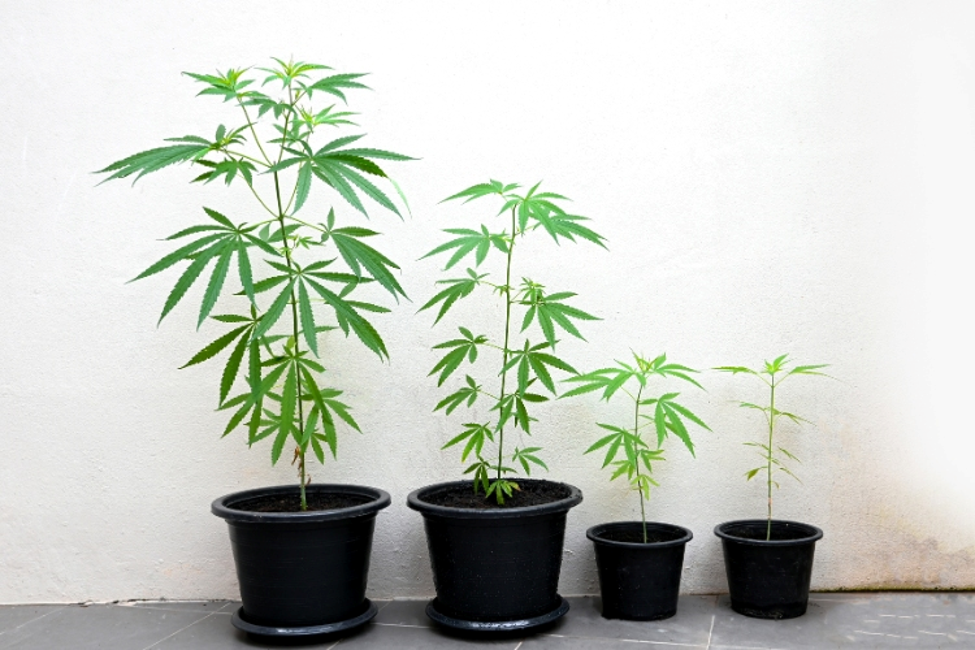
Every successful garden tells a story. It reflects careful planning, patience, and a willingness to learn from experience rather than chase quick results.
While cannabis cultivation has its own unique considerations in places where it is legal, many of the principles behind a thriving cannabis garden are the same ones that help vegetables, herbs, flowers, and houseplants flourish.
Whether you’re growing tomatoes in raised beds, herbs on a windowsill, or specialty plants in a dedicated outdoor space, understanding what plants need at each stage of growth makes all the difference.
A great garden isn’t built around expensive equipment or complicated techniques. Instead, it comes from creating the right environment, paying attention to small changes, and working with nature instead of against it.
Start With the Right Foundation
Healthy plants begin long before the first seed goes into the soil. One of the biggest mistakes new gardeners make is focusing on what happens above ground while overlooking what happens below it. A strong foundation includes:
- Well-draining soil that retains enough moisture without becoming waterlogged.
- Good airflow around roots and foliage.
- Appropriate containers or garden beds for the plant’s mature size.
- Consistent access to sunlight throughout the day.
Rather than trying to fix problems after plants begin struggling, spend time preparing your growing area first. Removing weeds, improving soil structure, and selecting the right location often produce better results than any fertilizer added later.
Every plant has different requirements, but healthy roots remain the common denominator. Strong root systems support healthier stems, leaves, and overall growth.
Understand That Every Plant Has Different Needs
One gardening rule applies almost universally: avoid treating every plant the same.
Some varieties thrive in intense sunlight, while others appreciate afternoon shade. Some require frequent watering, while others perform best when the soil dries slightly between waterings. Successful gardeners learn to observe instead of following a rigid schedule.
Pay attention to:
- Leaf color and texture.
- Soil moisture.
- Growth rate.
- Temperature changes.
- Seasonal weather patterns.
These observations often reveal potential issues before they become major problems.
Cannabis growers often emphasize matching genetics to growing conditions. The same thinking benefits every type of garden. Choosing varieties suited to your climate and available space usually produces healthier plants with fewer maintenance challenges.
Genetics Matter More Than Many People Realize
Even perfect growing conditions cannot compensate for poor-quality genetics.
Seeds influence characteristics such as growth habits, resilience, flowering time, and overall vigor. While environmental conditions shape how a plant develops, genetics determine much of its potential from the very beginning.
For gardeners interested in cultivating cannabis where legally permitted, selecting seeds that match their experience level and local growing conditions is an important first step. Resources such as Grower’s Choice Seeds provide detailed information about individual varieties, making it easier to choose options suited to different environments.
For example, gardeners researching Grower’s Choice Blue Zushi can review its growing characteristics before deciding whether it fits their goals and available space.
That same principle applies well beyond cannabis. Whether selecting heirloom tomatoes, peppers, or flowering annuals, choosing suitable varieties often leads to a smoother gardening experience.
Build Consistency Into Your Routine
Plants respond well to consistency.
One week of overwatering followed by several days of neglect creates unnecessary stress, even for hardy species. Instead of dramatic changes, establish a routine that allows you to monitor your garden regularly.
A practical maintenance routine might include:
Check Moisture Before Watering
Rather than watering on a fixed schedule, check soil moisture first. Many gardening problems begin with excess water rather than too little.
Watch for Early Warning Signs
Small changes in leaf color, drooping stems, or unusual spots often indicate issues that are much easier to solve early.
Remove Dead Growth
Pruning damaged or dead leaves helps improve airflow and allows plants to direct energy toward healthy growth.
Keep the Growing Area Clean
Removing weeds, fallen leaves, and unnecessary debris discourages pests and helps maintain better air circulation.
Small, consistent efforts usually outperform occasional intensive maintenance sessions.
Create the Right Environment Instead of Fighting It
Many gardening frustrations come from trying to force plants into unsuitable environments. Instead of constantly correcting problems, work with your local conditions. Consider factors such as:
- Available sunlight.
- Seasonal temperatures.
- Humidity levels.
- Wind exposure.
- Natural rainfall.
If your yard receives partial shade, choose plants that appreciate those conditions. If summers are especially hot, select varieties known for handling higher temperatures.
Experienced growers often adapt their gardening strategies throughout the year rather than expecting identical results every season. Flexibility helps create healthier plants and reduces unnecessary work.
Patience Often Produces Better Results
Modern life encourages quick solutions, but gardening rewards patience.
New gardeners sometimes overcorrect every minor issue by adding more fertilizer, watering more frequently, or constantly moving plants around. In many cases, the best approach is simply allowing plants time to adjust.
Healthy growth happens gradually. Instead of measuring success by daily changes, focus on longer-term progress. Observe how plants respond over several weeks and make thoughtful adjustments when necessary.
This slower approach also makes gardening more enjoyable. Rather than becoming a series of tasks to complete, it becomes an opportunity to learn how living systems respond to care, weather, and seasonal change.
Lessons That Extend Beyond the Garden
The principles behind a successful cannabis garden apply surprisingly well to almost every gardening project.
Preparation matters more than shortcuts. Healthy environments support healthy growth. Consistency usually beats perfection. Most importantly, choosing the right plant for the right location often solves problems before they begin.
Whether you’re growing herbs in a kitchen window, vegetables in raised beds, ornamental flowers, or legally cultivating cannabis, success comes from understanding your plants rather than trying to control every outcome.
Conclusion
Great gardens are rarely the result of luck. They reflect thoughtful planning, careful observation, and steady care over time. While every plant has unique requirements, the core principles remain remarkably consistent: start with a strong foundation, select quality genetics or varieties, create suitable growing conditions, and maintain a routine.
As you gain experience, you’ll find that successful gardening is less about chasing perfection and more about responding to what your plants are telling you. Those lessons not only lead to healthier gardens but also make the entire growing process more rewarding season after season.