
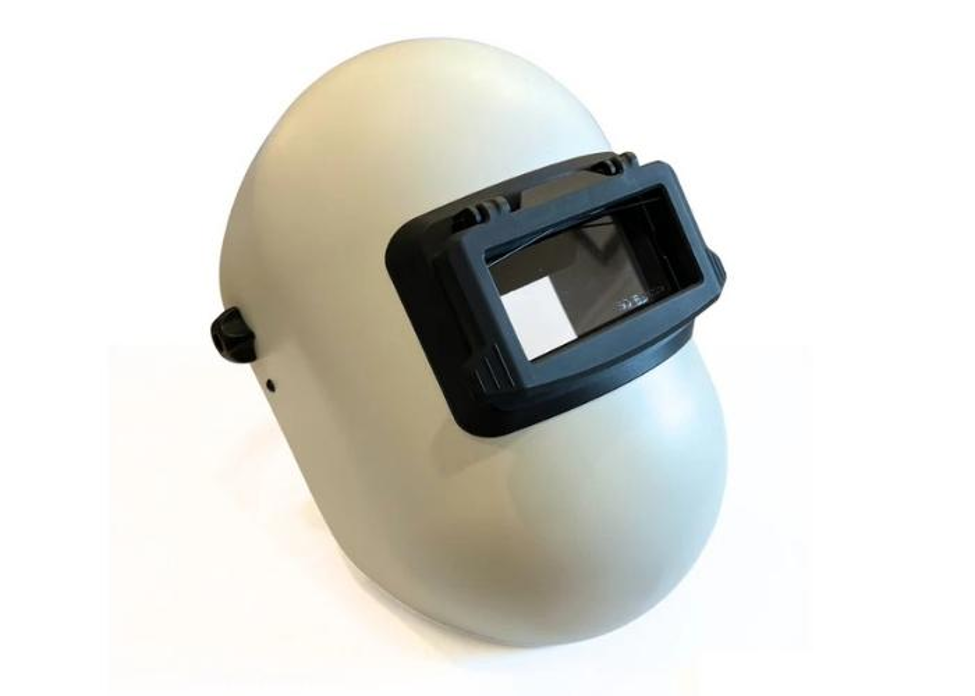
American manufacturing runs on welders, and the gear strapped to their heads often decides whether a bead holds under pressure. Optical clarity, comfort, and reliable auto-darkening technology have become just as important as amperage and wire feed speed. Pipeline crews, structural fabricators, and shop welders each have different demands, from wide viewing areas to helmets that withstand 12-hour shifts.
This guide covers what separates dependable welding gear from gear that fails at the worst moment, then reviews five brands that welders across the country rely on.
What to Look for in a Professional Welding Lens or Hood
A helmet is only as good as the lens inside it, and a lens is only as good as the headgear holding it steady. A few factors consistently separate reliable gear from the rest.
Optical Clarity Ratings
Optical clarity is graded on a four-part scale covering distortion, light diffusion, shade consistency, and viewing angle, with 1/1/1/1 representing the highest available rating.
- Distortion Control Matters Most: A helmet with poor distortion control can blur the puddle just enough to cause a bad tie-in on a critical pass.
Shade Range and Viewing Area
Weld processes vary widely in brightness, so an adjustable shade range paired with a larger viewing area both help reduce fatigue over a full shift.
- Wider Viewing Areas Reduce Fatigue: A larger lens window lets a welder track the puddle and surrounding metal without straining the neck to compensate for a narrow view.
Headgear and All-Day Comfort
No lens technology matters much if the helmet itself sits unevenly or grows heavy halfway through a ten-hour shift.
- Weight Distribution Prevents Neck Strain: Headgear that distributes pressure across multiple points helps prevent fatigue during long welds.
As welding instructor Brian Slocum has pointed out, designing something in steel is one skill, but the technical know-how to manipulate stainless steel during welding is a separate, harder-won craft. Gear supports skill; it does not replace it.
Our Top Picks for Welding Lenses and Hoods
1. Ridge Products Welding
Ridge Products Welding, available at ridgeproductswelding.com, has grown from a hobbyist Amazon shop into a direct-to-consumer brand centered on its Pipeliner and Sugar Scoop hoods, which anchor the catalog. Rather than chasing broad industrial lines, the Texas-based brand focuses on specialized components that experienced craftsmen search out by name.
Key Features:
- Specialized Lens Colors Set It Apart: The lineup includes gold, silver, and cobalt blue auto-darkening lenses, along with standard clear and shades 9-13 options.
- Pipeliner and Sugar Scoop Hoods Target a Niche: Both hood styles are built for pipeline welders who need a narrower, more maneuverable profile than typical industrial helmets.
- Rod Ovens Round Out the Lineup: Rod heaters keep electrodes dry and consistent on the job site.
Best For:
Pipeline welders and other specialized craftsmen who want purpose-built lenses and hoods rather than general industrial gear.
Standout Quality:
Ridge Products Welding keeps its catalog narrow on purpose, building its reputation around the specific tools pipeline welders already search for rather than competing with larger suppliers on breadth.
2. Lincoln Electric
Lincoln Electric has manufactured welding equipment since 1895 from its headquarters in Cleveland, Ohio, and its VIKING 3350 Series remains one of the most recognized auto-darkening helmets in the country.
Key Features:
- 4C Lens Technology Broadens Color Range: The proprietary display shows more natural hues in both the light and dark states than a standard auto-darkening filter.
- Large Viewing Area Improves Visibility: The 3350 Series includes a 12.5-square-inch lens, among the largest windows available in its class.
- Multi-Year Warranty Protects the Investment: Lincoln Electric backs the auto-darkening lens against defects for three years.
Best For:
Welders across processes who want a widely available, well-supported helmet with strong optics.
3. Miller Electric
Miller Electric’s Digital Infinity helmet pairs ClearLight 4x lens technology with what the company describes as the largest viewing area in its class, at 13.4 square inches.
Key Features:
- Four Independent Arc Sensors Improve Reliability: The sensors maintain consistent lens response even when a welder’s position partially blocks one sensor.
- AutoSense Simplifies Setup: Holding a single button lets the helmet read the welding environment and set its own sensitivity.
- X-Mode Blocks Sunlight Interference: An electromagnetic sensing mode keeps the lens active outdoors even in bright, direct sun.
Best For:
Shop and field welders who value data tracking and a wide field of view.
4. ESAB
ESAB, a Swedish welding equipment manufacturer with a century-plus history, introduced its Sentinel A50 helmet at FABTECH in 2017 and later expanded the line with the larger Sentinel A60.
Key Features:
- Color Touch Screen Simplifies Adjustments: The Sentinel line uses a digital touchscreen with eight memory settings instead of traditional dials.
- Five-Point HALO Headgear Improves Fit: The infinitely adjustable headgear was designed to reduce neck strain over long shifts.
- Expanded Viewing Area on the A60: The newer Sentinel A60 offers roughly 40 percent more viewing area than the original A50.
Best For:
Welders who prefer digital controls and want a helmet lineup with an established upgrade path.
5. 3M Speedglas
3M introduced the industry’s first auto-darkening welding lens in 1981, and its Speedglas 9100 Series continues to serve as a benchmark for professional welding helmets today.
Key Features:
- Side Windows Add Peripheral Vision: Shade 5 passive side filters expand a welder’s field of view beyond the main lens.
- Multi-Protection Configuration Combines Systems: The 9100 MP integrates head, eye, face, respiratory, and hearing protection into a single helmet.
- Fast Switching Speed Reduces Delay: The auto-darkening filter reacts in roughly one-tenth of a millisecond after an arc strikes.
Best For:
Industrial welders who need integrated respiratory and hearing protection alongside eye protection.
Conclusion
The right welding lens or hood ultimately comes down to matching gear to the work at hand. Pipeline crews often benefit from purpose-built hoods, while shop welders running multiple processes may instead prioritize a wide shade range and digital controls.
Optical clarity, headgear comfort, and lens durability remain the factors worth comparing across any short list of options. As auto-darkening technology continues to improve, welders who weigh these criteria carefully will keep finding gear that holds up shift after shift.