
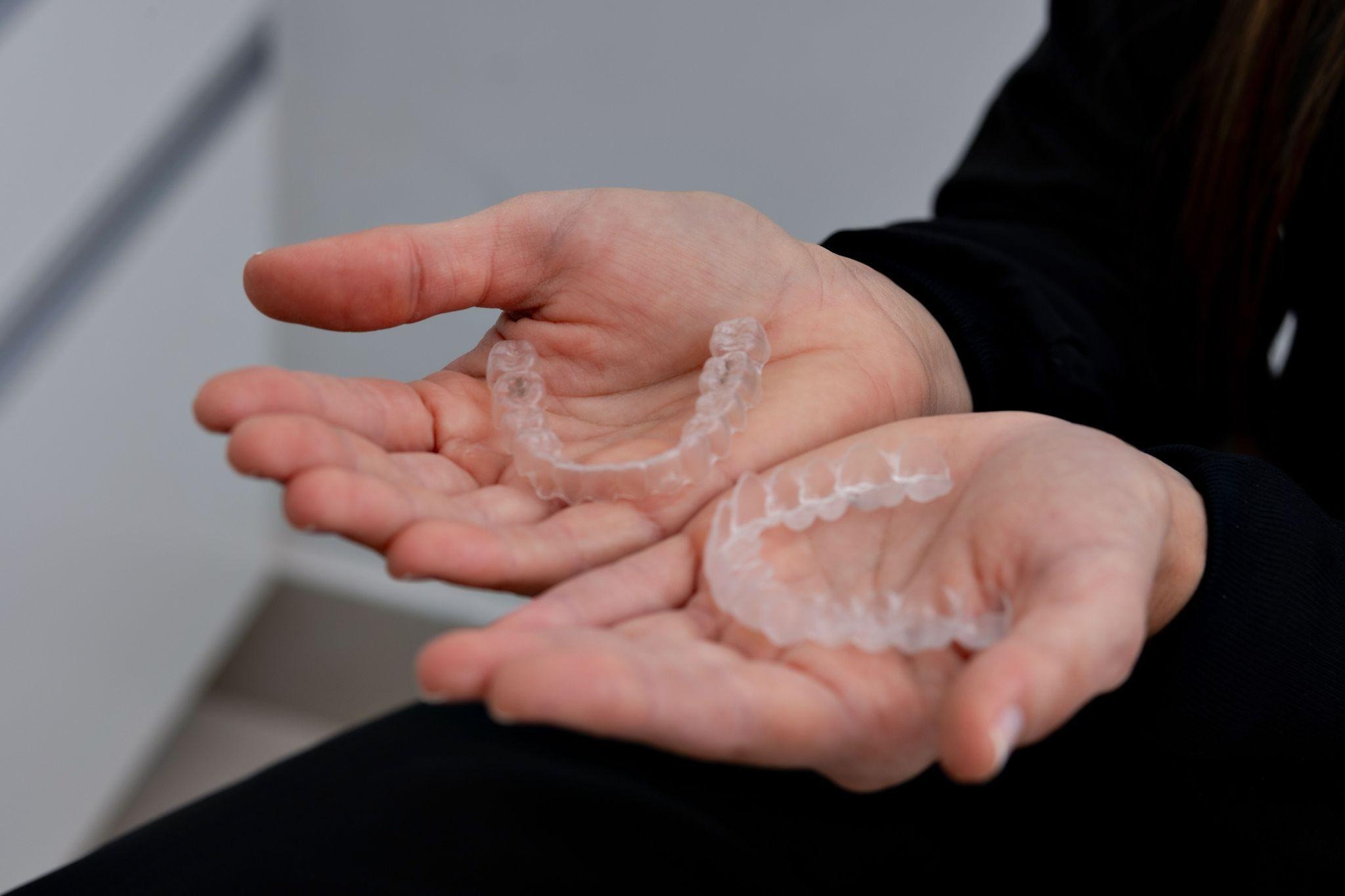
Post-braces relapses can feel like a nightmare. You may have flashbacks about all the painful procedures as a teen. The truth is, teeth continue to move naturally throughout life. For some people, the movements may be more aggressive. And an orthodontic consultation can intercept it on time.
Typically, your orthodontist will recommend clear aligners for teeth shifting. It is a discreet and effective way to restore alignment. Work with an experienced clinic to get customized clear aligners for adults.
Why Do Teeth Shift After Braces?
Many reasons can contribute to teeth shifting after braces. Common causes include:
- Not wearing retainers as instructed
- Natural changes in jaw structure over time
- Teeth grinding or clenching
- Gum disease affecting tooth support
- Loss of nearby teeth
- Using bite forces inappropriately
It is important to point out that teeth shifting is often only a natural part of aging. Even patients with successful treatment results may notice subtle movements years later.
For some people, the shift can be due to the inability to follow treatment procedures. They may not have put on the braces correctly or long enough. It causes a less stable tooth structure, making movements more likely.
How to Recognize Post-Braces Relapse
Small changes may go unnoticed. They usually happen gradually. It is easy to overlook the signs at first. Here are a few early warning signs for adult teeth shifting:
- Teeth crowding in one area
- Certain teeth are pushed forward or backward
- New gaps between teeth
- Changes in your bite forces
- Retainers that no longer fit comfortably
- Difficulty flossing between certain teeth
Self-monitoring is the most effective way to recognize these symptoms. Early intervention fosters better patient outcomes. Speak to a clinic as soon as possible for any concerns.
Can Clear Aligners Correct Teeth That Have Shifted?
In most cases, yes. Clear aligners for teeth shifting usually work wonderfully. They are specifically designed to improve alignment. The aligners are custom-made and removable. They fit your teeth’s shape and structure accurately.
However, for serious shifting, you may need more aggressive treatments. Clear aligners often target localized shifting that is milder. Book a consultation with a local clinic, such as Smiles + Grins. The orthodontist will better suggest a customized plan.
How Clear Aligners Move Teeth Back Into Position
Wearing clear aligners is a controlled process. The treatment usually involves multiple scans and new sets. Your teeth will gradually move back to the planned positions.
Digital scans
Scans are necessary. Your orthodontist can create a suitable plan and explain the realistic outcomes with the scans. The shape of the aligners will also be determined using the results.
Gradual movements
Drastic movements are dangerous and unrealistic. Depending on the severity, you may be wearing the aligners for 3 months to 1 year or more. Most patients will wear the aligners for 20 hours a day. Your specialist will share a more accurate timeframe during the examination.
Adjustments
There will be regular process visits. You will be given new scans and sets that match the current movements. If the results are not satisfactory, your orthodontist may adjust the strategy.
Benefits of Choosing Clear Aligners for Adult Orthodontic Relapse
Many adults prefer clear aligners because of the fit and aesthetic appearance. It fits their lifestyles and reduces the discomfort.
Some key benefits include:
- Transparent appearances that are less visible
- Comfortable, smooth plastic trays
- Easy removal for meals and normal brushing/flossing routines
- Usually fewer office visits than traditional braces
- Predictable treatment planning with advanced digital technology
- More precise, targeted teeth movements
- Long-term stability with custom retainers after the treatment
What to Expect During and After Treatment
The treatment duration and outcomes vary depending on your oral condition. Your provider will offer a more accurate overview during the consultation. In general, you can expect the following during the treatment:
- Mild discomfort for the first few days after a new set
- Follow the appointment schedules diligently
- Wear the aligners for as long as instructed, using the right method
- Maintain good oral hygiene with daily brushing and flossing
- Share any discomfort or concerns with your orthodontist for prompt attention
After the treatment, you may do the following:
- Wear a retainer consistently, if advised, to keep the results
- Maintain good dental habits
- Show up to the follow-up appointment, if any
- Speak to your clinic about sudden movements in the future
Work with your specialist closely to achieve the expected outcomes. Work with a provider with a track record of success stories and positive reviews.
In conclusion
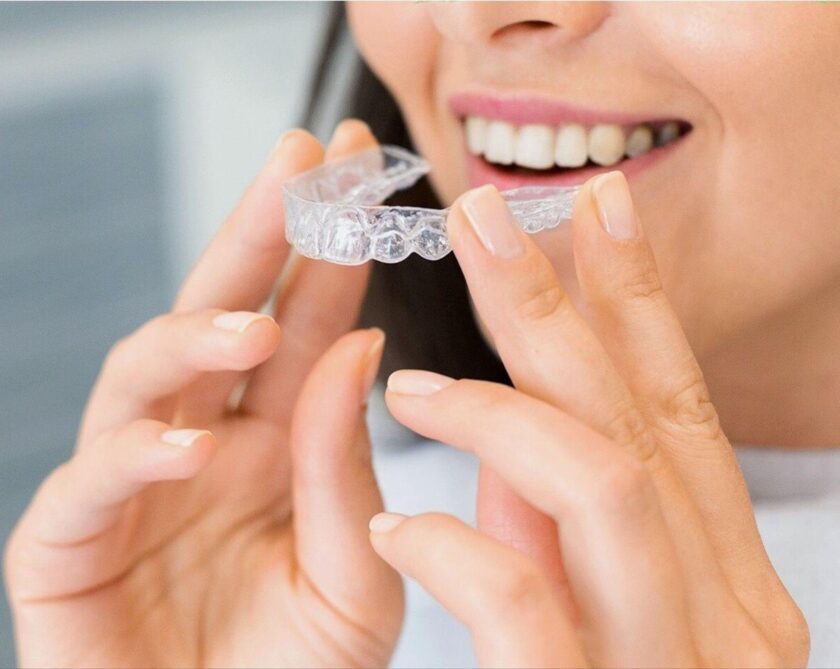
Teeth shifting after braces is a natural process that many adults experience. Your previous treatment has not failed. Clear aligners can be the answer to this challenge. They provide a comfortable, discreet, and highly effective way to restore your smile.