
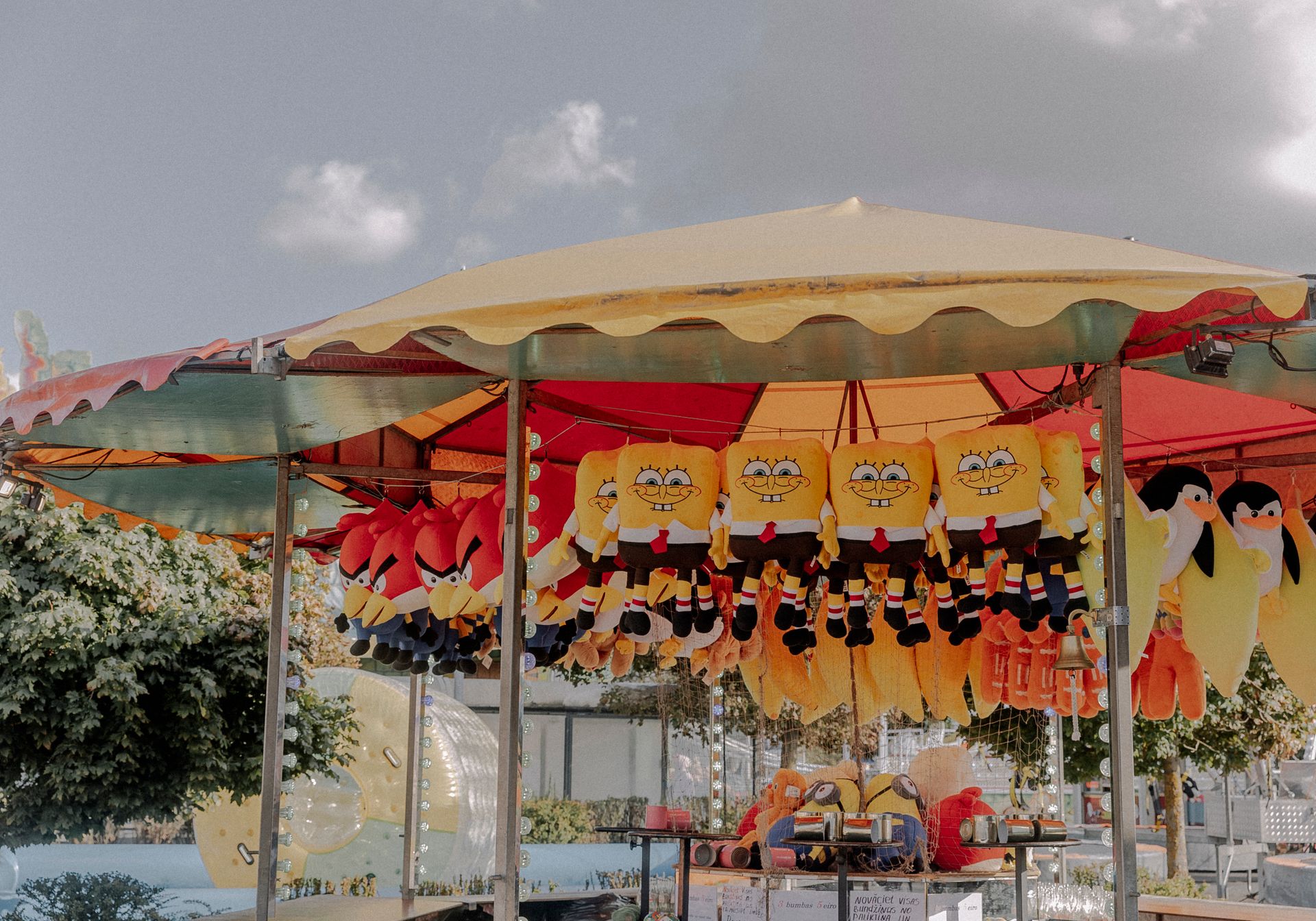
Few cartoon properties capture public attention for more than twenty years without losing visual clarity or emotional pull. SpongeBob remains unusual because the character works on several levels at once: as a comedy figure, a comfort object, and a memory trigger. Plush versions benefit from each layer. Soft construction adds tactile appeal, while the face, color, and shape stay instantly legible. That combination helps demand remain steady, even as many licensed toys fade after brief retail cycles.
A Character People Recognize Fast
Instant recognition matters in character merchandise because buyers usually decide within seconds. Across toy aisles, gift lists, and collector displays, SpongeBob plush stands out through its square outline, saturated yellow body, and highly readable expression. Those visual cues require almost no explanation. Strong recall supports repeat interest, since familiar forms register quickly in crowded settings where many competing products blur together or lose distinction.
Comedy Gives It Replay Value
Humor often extends the life of character goods better than plot-based nostalgia alone. SpongeBob relies on elastic facial acting, sharp timing, and exaggerated physical reactions. Those traits transfer well into plush form. A fixed expression can still suggest a joke. Years later, familiar poses remain amusing because the comedy depends on readable emotion rather than complex story context that may fade from memory.
The Catalog Stays Fresh
Long-running appeal depends on variation, not on a single standard pose repeated forever. The line includes shoulder riders, keychains, slippers, and scene-driven pieces with distinct visual moods. That spread matters because shoppers do not all want the same scale or use. Some want a shelf display. Others want a bag accessory or a casual gift. Format diversity keeps interest active without forcing a dramatic redesign.
Nostalgia Works Across Generations
Many licensed products peak with one age group, then lose relevance as that audience ages out. SpongeBob avoids that pattern. Older viewers connect the character with early episodes and familiar routines from childhood. Younger fans still encounter the same imagery through clips, reruns, and shared jokes. Plush benefits from that overlap because softness, color, and facial expression communicate immediately, even without detailed knowledge.
Side Characters Add Depth
Enduring merchandise lines usually need more than one reliable face. SpongeBob has a supporting cast with clear behavioral differences, distinct silhouettes, and recognizable emotional tones. Patrick reads as loose and cheerful; Squidward signals annoyance at a glance. Gary, Sandy, and Mr. Krabs widen the range further. That depth supports the collection of habits, since many buyers prefer a set with personality contrast over a single centerpiece.
Soft Goods Match the Brand
Some animated properties work better as figures because the appeal depends on motion or fine costume detail. SpongeBob translates cleanly into plush because the anatomy is simple and the proportions are bold. Rounded limbs, large eyes, and broad expressions survive fabric construction without losing clarity. Even unusual variants remain readable. That material fit reduces visual compromise, which helps the format stay attractive over time.
Meme Culture Keeps It Visible
Cultural staying power often depends on repeated exposure outside the original program. SpongeBob remains active in online conversation through reaction images, quoted scenes, and familiar facial expressions. That visibility keeps the character current for younger audiences and fresh for older fans. Plush gains from the effect because the source material still circulates in daily communication. A product feels less dated when its reference points remain present.
Collectors Like Distinct Silhouettes
Display value plays a larger role in buying decisions than many casual observers expect. Collectors respond to pieces that read clearly from a distance and hold shape beside other items. SpongeBob characters perform well here because outlines are bold and easy to separate. A shoulder rider creates one profile. A seated plush creates another. Visual contrast encourages collecting by making each piece feel memorable on its own.
Price Bands Help Longevity
A line lasts longer when entry points remain accessible across different budgets. If every item sits at a premium tier, casual demand usually drops first. SpongeBob products often appear in several price bands, which helps gifting, impulse purchases, and repeat collecting. Smaller accessories offer a lower commitment. Larger plush pieces serve as display pieces. That spread supports broader participation, which strengthens long-term retail presence.
Conclusion
SpongeBob plush continues to sell because the format aligns with the character’s strongest traits, visual clarity, expressive humor, and cross-generational recognition. The supporting cast adds range, while multiple sizes and product types widen appeal without diluting identity. Online visibility also keeps the source material culturally active. Taken together, those factors create unusual durability for a licensed soft toy. Very few cartoon properties maintain that balance for this long.