
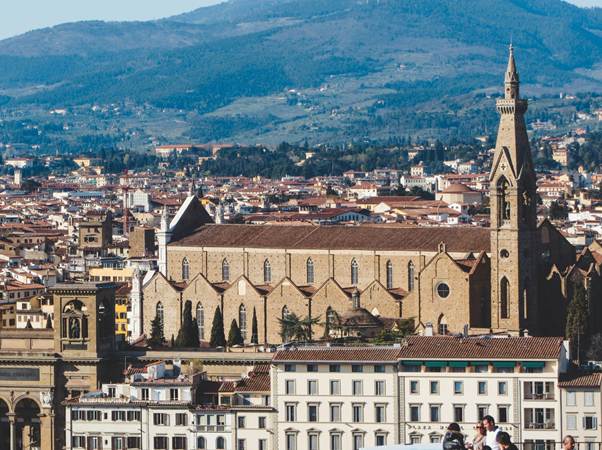
Travelling through Italy and Spain is like stepping into two parallel stories that occasionally touch, drift apart and then intertwine again. Both countries reveal layers of history that feel startlingly alive: Renaissance beauty expressed through harmonious geometry, Moorish craftsmanship shimmering in latticework patterns, and medieval lanes echoing with centuries of footsteps. For modern travellers, the experience becomes a tapestry of art, architecture and lived culture, weaving masterfully between two of Europe’s most mesmerising civilisations.
Italy: A Tapestry of Renaissance Grandeur
Italy is, at its heart, a storyteller. Every palace façade, cobbled street and frescoed chapel seems to speak softly of innovation, ambition and artistic genius. Many travellers embarking on private tours of Italy begin in Florence, often described as the cradle of the Renaissance. Here, the symmetry of Palazzo Pitti, the refined courtyards of Palazzo Medici Riccardi and the soaring Brunelleschian dome of Santa Maria del Fiore work together to demonstrate the era’s obsession with harmony and proportion. Wandering between these masterworks, you quickly sense how humanism shaped both the arts and everyday life.
In Rome, the grandeur is more monumental. Renaissance palaces stand shoulder-to-shoulder with ancient ruins, forming a living time capsule. The Palazzo Farnese, with its elegant courtyard and perfectly balanced façades, remains a masterclass in architectural clarity. Nearby, the Galleria Borghese houses exquisite sculptures by Bernini — works that hover between movement and stillness, demonstrating the virtuosic confidence of the period. Rome rewards slow, deliberate exploration: stand in a sunlit piazza and the city’s layers seem to unfold all around you.
Venice: Power, Prestige and Paintwork
Further north, Venice adds a different note to the Renaissance symphony. Here, the influence of the sea shaped the city’s architecture, resulting in palaces that seem to float along the Grand Canal. The Doge’s Palace, with its Gothic tracery and Renaissance interiors, reflects a republic built on diplomacy, trade and spectacle. Inside, Tintoretto’s vast canvases ignite entire rooms, illustrating biblical narratives with turbulent energy. Venice’s palaces have an otherworldly quality — intricate mosaics, gilded ballrooms and marbled staircases all reminding you that art can flourish even in delicate, precarious places.
Beyond the landmark sites, smaller islands like Murano and Burano offer gentler encounters with heritage. Glassblowing workshops and lace-making studios reveal traditions shaped by centuries of craftsmanship. Explore at your own pace, pausing on footbridges or at waterfront cafés to appreciate moments of quiet beauty.
Spain: Where Moorish Artistry Meets European Elegance
Crossing into Spain introduces a different architectural language — one shaped by centuries of Islamic influence. Travellers joining expertly curated Spain tours often begin in Andalusia, where palaces and fortresses shimmer with geometric perfection. In Granada, the Alhambra remains the crowning glory of Moorish art: slender columns, intricate stucco, carved wooden ceilings and jade courtyards arranged around the gentle murmur of fountains. At sunset, the complex glows deep gold, and the Sierra Nevada turns violet behind it, creating one of Europe’s most unforgettable panoramas.
Seville reveals a similarly enchanting blend of cultures. The Alcázar, originally a Moorish palace later adapted by Christian rulers, showcases a breathtaking fusion of styles — Arabic arches, Castilian coats of arms, tiled patios and walled gardens where orange trees perfume the air. As you wander through the palace’s labyrinthine halls, the transition between dynasties becomes a tangible experience, with each chamber preserving stories of ceremony and conquest.
Córdoba: A City of Light and Geometry
The Mezquita of Córdoba is perhaps the most striking example of how architecture can reflect a city’s spirit. Its forest of red-and-white arches, lit by shafts of soft light, creates a serene and contemplative atmosphere unlike any other sacred building in Europe. The transition from mosque to cathedral is visible in every corner — a visual metaphor for the complex interplay of cultures that have shaped Spain’s identity.
Beyond the Mezquita, Córdoba’s old town reveals a quieter, more intimate side to the city. Whitewashed houses, flower-filled patios and tranquil squares reflect a tradition of domestic architecture centred on community, shade and garden courtyards.

The Renaissance Beyond Italy
While Italy often takes centre stage in discussions of the Renaissance, Spain nurtured its own versions of artistic rebirth. Cities like Salamanca and Valladolid flourished during the Spanish Golden Age, while Toledo, with its synagogues, mosques and churches, remains a testament to the coexistence of multiple faiths and artistic traditions. El Greco’s elongated figures still seem to drift through the city’s steep lanes, their influence lingering in unexpected corners.
Madrid, though more modern in appearance, houses one of the world’s most extraordinary collections of Renaissance and Baroque masterpieces. The Prado Museum brings together the works of Titian, Raphael, Bosch and Velázquez, offering insight into how Italy and Spain exchanged ideas through trade, marriage alliances and scholarly networks.
Gastronomy: The Tastes of Two Cultures
Travelling between Italy and Spain means crossing culinary landscapes that are as rich as their architectural heritage. Italy’s food is often rooted in simplicity — handmade pasta, fresh basil, ripe tomatoes and olive oil that tastes of sunlight. Whether you are sampling Ligurian seafood, Tuscan stews or Roman street food, there is a sense of harmony reminiscent of Renaissance balance.
Spain, on the other hand, celebrates bold flavours and communal dining. Tapas culture invites you to try everything: smoky pimentón, saffron-scented rice, melt-in-the-mouth jamón ibérico and local cheeses enjoyed with crisp cider or robust red wines. In both countries, food becomes a way of participating in tradition, connecting travellers to landscapes and histories one bite at a time.
Landscapes and Local Life
Beyond their famous cities, Italy and Spain both offer landscapes that feel almost cinematic. Northern Italy’s lakes shimmer with alpine reflections; Tuscany’s hills roll out like brushstrokes on a canvas; Puglia’s coastline curves along cerulean seas. Across the border, Spain’s countryside is equally diverse — from the fiery deserts of Almería to the lush forests of Galicia and the lunar plateaus of Castile.
Meeting local communities is often the most memorable part of the journey. Artisans in small Italian villages share stories of inherited trades, while Spanish farmers, dancers and storytellers welcome visitors with a warmth rooted in hospitality traditions that stretch back generations.
A Journey Through Two Civilisations
Travelling across Italy and Spain is ultimately a journey through ideas — the pursuit of beauty, the coexistence of cultures and the human desire to leave lasting marks on stone. Renaissance geometry and Moorish ornamentation may appear worlds apart, yet they share a common thread: a belief in the power of art to uplift, to inspire and to reveal the divine in daily life.
Whether you find yourself gazing up at a frescoed ceiling in Florence or wandering through a perfumed courtyard in Seville, the experience is one of connection — to people, to history and to the stories that continue to shape these remarkable countries.
Italy and Spain invite travellers to explore slowly, to look closely and to embrace the richness that comes from crossing borders both physical and cultural. And as the journey unfolds, you realise that the true beauty lies not only in the palaces and fortresses themselves, but in the movement between them — a journey where every step uncovers another fragment of a shared, wondrous heritage.