
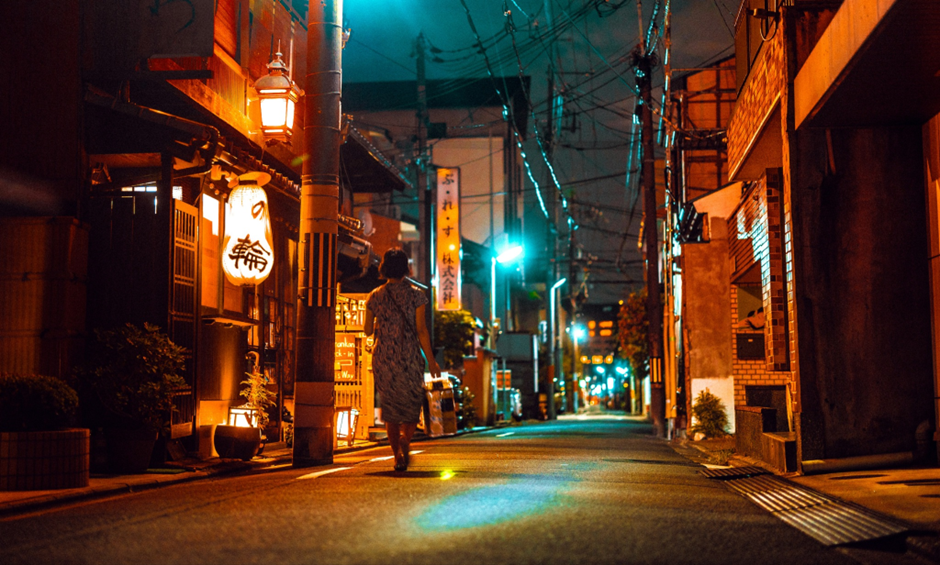
Japan’s three great cultural pillars—Kyoto, Tokyo and Osaka—offer a journey that feels both ancient and futuristic, meditative and electrifying. Travelling between them is like watching the country’s story unfold in chapters: Kyoto with its temples and rituals; Tokyo with its neon pulse and towering ambition; Osaka with its humour, food culture and urban warmth. Together, they form an itinerary that captures the full spectrum of Japanese life.
Whether this is your first trip or a long-awaited return, exploring these cities reveals how Japan holds tradition and innovation in perfect balance. Wooden shrines sit beside glass skyscrapers; quiet gardens lie only minutes from buzzing shopping districts; and steaming bowls of noodles accompany some of the world’s most cutting-edge technology.
Travelling Between Japan’s Cultural Capitals
Many travellers begin in Tokyo before heading west toward the Kansai region. Taking the Tokyo to Kyoto high-speed train is one of the most iconic ways to cross the country.
The Shinkansen’s speed, comfort and punctuality make it a seamless connection between two cities that could not feel more different.
Tokyo: The Future Reflected in Glass and Light
Tokyo is a city that seems to reinvent itself every moment. It stretches endlessly, a mosaic of neighbourhoods that each tell a different story. Begin with the bright billboards of Shibuya, watching the world cross the famous scramble in elegant chaos. Slip into Harajuku for trend-setting fashion, or into Asakusa for lanterns, markets and the tranquillity of Sensō-ji Temple.
A City Where Innovation Meets Ritual
Tokyo’s beauty lies not just in its skyline, but in the contrasts woven into daily life:
- Tech-forward cafés standing beside centuries-old shrines
- Traditional kabuki theatres near ultra-modern art galleries
- Seasonal festivals unfolding amid high-rise districts
Visit the neighbourhood of Yanaka for a slower rhythm, where wooden houses, craft shops and old temples recall an earlier era untouched by neon.
Kyoto: Where Tradition Breathes in Every Stone
Kyoto reveals Japan’s historical heart. Once the imperial capital, it remains a sanctuary of cultural preservation.
The city is home to more than a thousand temples and shrines, each with its own quiet presence. Golden Kinkaku-ji shimmers on a reflective pond; Fushimi Inari’s iconic torii gates guide visitors up a misty mountainside; and the zen rock garden of Ryōan-ji invites stillness.
Experiences That Define Kyoto
- Tea ceremonies in traditional machiya townhouses
- Strolling the lantern-lit lanes of Gion
- Participating in seasonal festivals and Buddhist rituals
- Wandering through Arashiyama’s bamboo grove at dawn
Kyoto encourages travellers to slow down, observe subtle gestures, and notice each shift of light through temple corridors.
Osaka: Japan’s Culinary Soul and Urban Playground
Where Tokyo is polished and Kyoto is refined, Osaka is warm, expressive and deliciously bold. It’s a city of bright signs, booming laughter and irresistible street food. Locals pride themselves on their friendliness and fun-loving culture—a refreshing contrast to Tokyo’s polished pace.
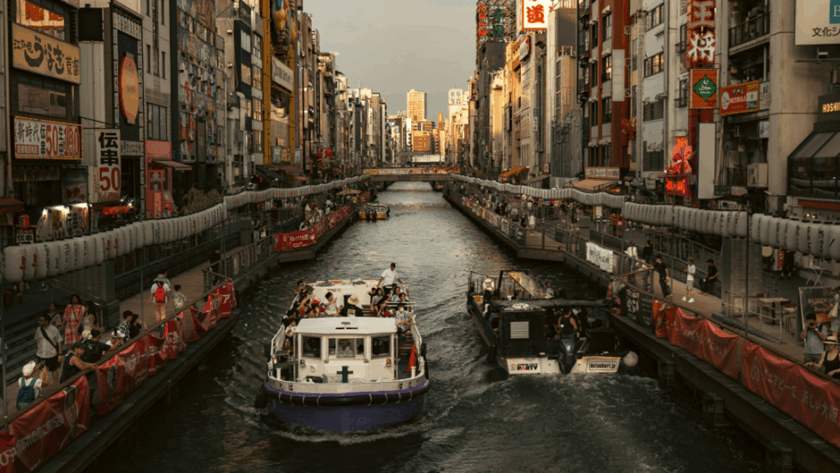
Dōtonbori’s neon lights reflect across the canal as vendors grill takoyaki and okonomiyaki. In Kuromon Ichiba Market, steaming dishes fill the air with the scent of broth, tofu and sizzling seafood. At night, Osaka feels alive in a way entirely its own.
From Osaka to Kyoto: Two Sides of Japanese Life
The connection between these cities is not just geographic but cultural. Travelling on Osaka to Kyoto high-speed trainshighlights how seamlessly Japan links its distinct regions.
In just minutes, you move from Osaka’s vibrant energy to Kyoto’s quiet pathways—a shift that perfectly encapsulates Japan’s layered identity.
Temples, Towers and Timeless Scenes
Together, Tokyo, Kyoto and Osaka offer a curated introduction to Japan’s past, present and future. Each has its own visual language:
In Tokyo
- Futuristic towers and traditional gardens
- Art collectives, anime culture and tech innovation
- A dining scene spanning Michelin stars to tiny noodle shops
In Kyoto
- Wooden townhouses, tea rooms and temple roofs
- Markets selling handmade sweets and seasonal produce
- Scenic riverbanks and centuries-old rituals
In Osaka
- Street food stalls, amusement districts and lively markets
- Modern architecture and a thriving performance scene
- Humour-driven culture reflected in theatre and comedy
This tri-city journey shows how Japan preserves its heritage without slowing its forward motion.
Seasonal Beauty Across the Cities
Japan’s seasons transform the country dramatically, and each city reveals its own version of seasonal magic.
Spring
Cherry blossoms frame riverbanks, temples and city parks. Tokyo’s Ueno Park and Kyoto’s Maruyama Park become soft pink clouds of petals.
Summer
Festivals fill the streets with lanterns, dancing, music and fireworks. Osaka’s Tenjin Matsuri is one of the country’s most spectacular.
Autumn
Red and gold leaves sweep across temple gardens and mountain trails. Kyoto’s autumn colours are famously breathtaking.
Winter
Soft snow settles on shrines and castle roofs. Illumination displays in Tokyo and Osaka bring warmth and light to the long nights.
Food Experiences That Tie the Cities Together
A trip through Tokyo, Kyoto and Osaka is also a journey through Japan’s culinary landscape.
Tokyo
Expect precision and innovation: sushi counters, ramen alleys, and boundary-pushing restaurants.
Kyoto
Meals feel ceremonial—kaiseki dining presents each dish like a seasonal poem.
Osaka
Flavourful street food steals the show: takoyaki, kushikatsu, and hearty okonomiyaki.
Across all three cities, hospitality is warm, thoughtful and grounded in deep culinary tradition.
Cultural Etiquette for Travellers
Japan’s cities may be busy, but social rhythms remain gentle and respectful. Keep in mind:
- Speak quietly on public transport
- Remove shoes when entering traditional spaces
- Queue politely in shops, stations and food stalls
- Handle money and goods respectfully
These small gestures enrich your travel experience and connect you with local customs.
Crafting the Ideal Japan Itinerary
For first-time visitors, a balanced itinerary might include:
- 4 days in Tokyo for museums, neighbourhoods and modern culture
- 4 days in Kyoto for temples, gardens and rituals
- 2–3 days in Osaka for food, nightlife and easy day trips
Add side trips to Nara, Kobe, Hakone or Hiroshima for even deeper insight.
Final Thoughts: Three Cities, One Extraordinary Story
Exploring Kyoto, Tokyo and Osaka is like stepping through Japan’s timeline. Kyoto preserves the country’s soul; Tokyo propels it into the future; and Osaka adds warmth, humour and flavour. Each city complements the others, revealing that Japan’s richness lies not in one place but in the connection between them.
Whether you meditate in a centuries-old temple, watch Tokyo shimmer from a tower at night, or savour Osaka’s street food under neon lights, you’ll find that every moment tells a story. And it’s a story that stays with you long after the journey ends.