
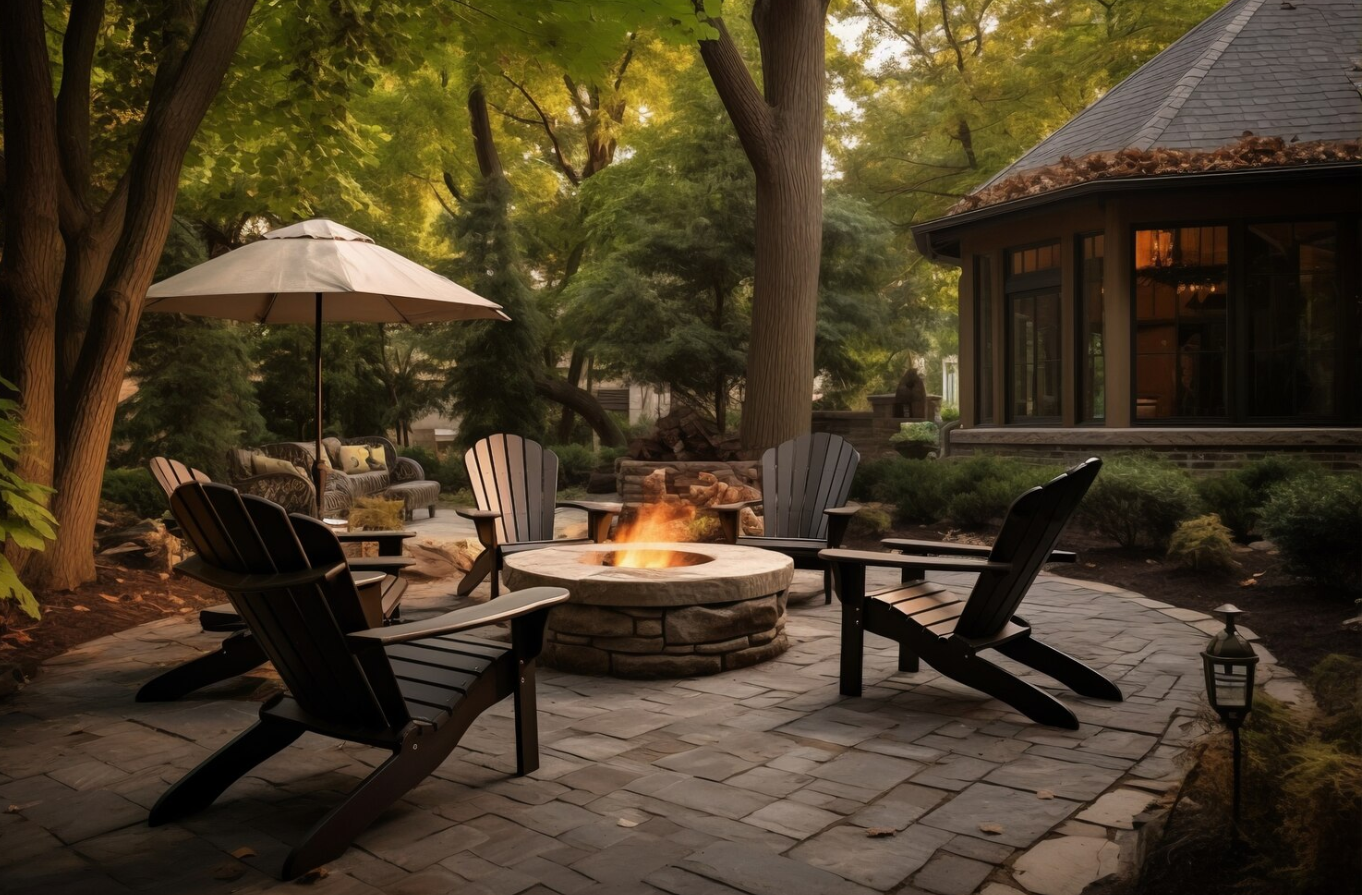
Moving into a new house often comes with a disappointing realization about the exterior. You have a beautiful, comfortable living room inside. But the moment you open the back door, you are greeted by a tiny, awkward square of concrete. There is barely enough room for a grill, let alone a place for your friends to sit down and relax. Treating your backyard as a true extension of your indoor floor plan completely changes how your home flows. Instead of just staring at the grass through the kitchen window, you actually want to go outside. Building a functional transition zone requires looking at your yard the same way you would look at an unfinished basement. You need a solid foundation, defined spaces, and a reason to stay out there.
Fixing the flow around your water features
If your property happens to have a swimming area, that transition zone becomes even more important. A narrow strip of slippery pavement around the water usually leads to muddy footprints being dragged straight into the house. Upgrading the flooring around the water creates a physical boundary that keeps the mess outside where it belongs. For homeowners living in areas with extreme summer temperatures, looking into a concrete pool deck installation in Fort Worth or similar sun-baked regions helps manage surface heat. Lightly colored, textured surfaces reflect the sun much better than dark brick or composite wood. This keeps the ground comfortable enough for bare feet while expanding the usable footprint of your yard. It creates a seamless bridge between the air-conditioned house and the outdoor entertainment zone.
Deciding between stamped patterns and natural stone
Choosing the actual material for your new outdoor flooring is where most people get stuck. You want something that looks intentional but does not demand hours of maintenance every weekend. Getting advice from a local pool deck contractor is often a smart way to learn what materials hold up best to your regional weather patterns. But you generally have to decide between manufactured designs and natural materials. Let’s look at the daily reality of living with both options.
- Stamped surfaces: Pouring a solid foundation and pressing a pattern into it gives you the look of expensive stone for a fraction of the cost. It is incredibly easy to sweep. Weeds cannot grow through a solid piece of flooring. But if a major ground shift causes a crack, patching the pattern seamlessly can be difficult.
- Natural cut stone: Materials like flagstone or travertine naturally absorb less heat. They give a space a very organic, high-end feel. If one stone cracks, you simply pull it out and drop a new one in. You do have to deal with sweeping sand into the joints and occasionally pulling small weeds that sprout up between the gaps.
If you hate yard work and want a fast clean-up, solid poured options usually make the most sense. Natural stone gives you a beautiful finish but demands a bit more seasonal upkeep.
Using furniture to define the invisible walls
Once the flooring is down, an empty patio just looks like a parking lot. It feels flat. You have to give the space structure so people know exactly where to go. Since you do not have actual walls, you have to create them visually. A heavy outdoor rug anchors a dining table and tells the brain that this specific spot is for eating. Placing a sectional sofa with its back facing the rest of the yard creates a cozy, enclosed conversation pit.
Keep the daily traffic flow in mind when placing heavy items. The path from the kitchen door to the grill should be completely clear. Nobody wants to weave through a maze of lounge chairs while carrying a heavy tray of raw chicken. Adding a small storage bench near the edge of the patio gives people a designated spot to drop wet towels and shoes. Creating clear, wide walkways makes the outdoor space feel just as structured and intentional as a traditional indoor hallway.
Planning your lighting before the sun goes down
An outdoor living room loses all its value if it turns into a pitch-black void at eight o’clock. Most builder-grade homes only provide one blinding floodlight over the back door. That feels awful. It creates a harsh, uncomfortable glare that blinds anyone trying to have a conversation. You want soft, layered lighting that makes people actually want to linger outside after dinner.
String lights draped over a seating area provide a warm, ambient glow that feels incredibly inviting. Solar pathway lights are a cheap and easy way to outline the edges of the patio so nobody trips in the dark. You can even place small, waterproof LED up-lights at the base of nearby trees to give the yard a bit of depth. Layering these softer light sources tricks the eye into seeing the patio as a cozy, welcoming room rather than just a dark spot behind the house. Fix the lighting early in the design process so you can actually enjoy your new square footage at night.