
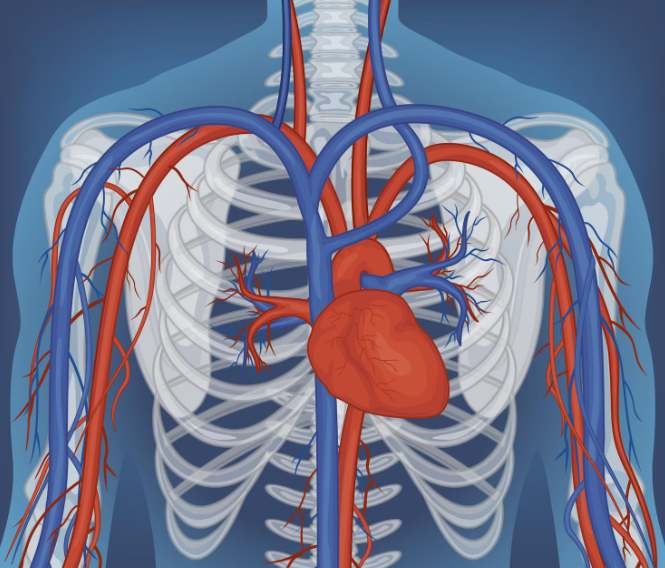
Today, modern convenience is unprecedented. We can work on laptops, have meetings, stream participants, watch entertainment as it comes out, and get groceries delivered. All this saves time and increases comfort but also has the hidden cost of reducing movement. Our routines involve prolonged inactivity and commence a process of undermining core functions of the body. Particularly the circulatory system.
An ideal circulating system invigorates and balances the body. Apart from the major components of the circulating system which include the heart and vessels, there is the system’s waste removal mechanism which is dependent on the body’s movement. As the blood is pumped to the tissues, the heart assists in the removal of the metabolic wastes. It is this remaining heart assisted activity which we are usually disconnected absent of an acute post activity vacuole (AV) tissue contraction.
Understanding How Circulation Works
To appreciate the impact of inactivity, a basic knowledge of the processes and pathways of blood circulation is essential. Blood circulation is a one-way process, as the heart is the power that generates arterial system circulation. However, venous blood circulation is a two-way involuntary muscle assisted mechanism. This is particularly in the lower limbs.
Each time you move your leg or take a step, calf muscles contract and help push blood upwards towards the heart, overcoming gravity. The \\\\”one-way\\\\\” valves in the veins allow blood to flow freely upwards, but prevent blood from descending due to gravity. If movement becomes less frequent, the above mechanism weakens and blood can pool in the lower legs.
Over time, increased pressure from collecting blood in the lower extremities can lead to stretching, which leads to circulation inefficiency and even to vein disease.
The Rise of Sedentary Living
The modern lifestyle includes much less movement. Many office workers sit for more than eight hours a day. Many remote workers go from a standing office desk to a couch, and then sit for hours while working (even more so than in the office). Even recreational screen time, such as movies and tv, is sedentary.
When legs are inactive for a lengthy period of time, blood flow is diminished, particularly in the legs. The negative impact of blood flow on vein health is often not felt, because it is insidious. The negative impact of blood flow can go unnoticed for even months and years, but the result is eventual vein disease.
The impact from a sedentary lifestyle and resulting circulatory decline occurs over time, and because of this, people tend to underestimate the impact of the early warning signs, as a result of minor inconveniences.
Impaired Blood Circulation
There are many people who develop symptoms of impaired blood circulation, and without the proper education, they will likely develop these symptoms without knowing the meaning of each of the signs. While leg heaviness and ankle swelling may seem like a symptom of aging, these signs may be commonly associated with weight gain or work-related factors.
However, as discomfort progresses, the signs associated with the condition may cause serious symptoms that impact the daily activities of a person. The signs may be ignored because they are not serious, and this resolves a person’s underlying problem.
Sitting and Venous Insufficiency
When a person remains in a sitting position, blood circulation suffers as a result of prolonged flexion in the head and knee joints. In this condition, the person may develop Chronic venous insufficiency, which is caused by the failure of the valves in the veins, causing blood to flow backward.
Frequent sitting can reduce ankle mobility, and can reduce calf muscle activation, and without regular contraction, veins lose the support needed for effective function. Sustained unrelieved pressure may cause stretch venous walls and compromise valve closure.
It is a gradual process, which is why a sedentary lifestyle is described as “quietly” damaging circulation. The absence of immediate signal may falsely reassure, despite the gradual degradation of venous functionality.
Weight Gain and Metabolic Changes
Sedentary behavior is often coupled with increased weight and metabolic dysregulation. Increased body weight increases the pressure exerted on veins, particularly the pelvic and leg veins, which makes it more difficult for blood to flow upwards.
The metabolic changes that come with inactivity, such as insulin resistance and inflammation, are also detrimental to the blood vessels. Health blood vessels are those that are able to quickly respond and relax, which when inflamed, may be impaired.
The interplay of nutritive deficit and sedentary behavior forms a negative cycle that will require changes to reverse it.
Importance of Movement over Exercise
A lot of people think that spending hours sitting, then going to the gym for an hour, and doing a cardio workout is maintaining a healthy lifestyle. While it’s great that you’re doing an organized workout, that’s not even close to the truth. To maintain good circulatory health, you must do something other than organized exercise. You must do a lot of other movements during the day.
Venous return is helped by walking, standing, stretching and even doing calf raises. To keep the blood from pooling, doing little activities. It’s not about extreme fitness, it’s about doing movements to engage any muscle to promote circulation.
Workplace ergonomics plays a part. It is easier to blood flow by not crossing your legs, keeping the correct height of your chair when sitting, and adjusting your desk
It is important to get a doctor to check the circulation before doing any of the activities mentioned. Symptoms of poor circulation that last for long periods of time is a sign of serious health issues that need to be evaluated. This includes pain in the legs, swollen legs, or even your legs becoming discolored. If this health issue is caught early, then the treatment is less extreme.
People in Colorado who are facing these issues can find clarity and relief by choosing vein treatment in Thornton. Today’s vein care includes minimally invasive techniques used to improve and restore optimal blood circulation while using a fraction of your time. Specialized consultations will ensure your symptoms are addressed and stay under control to avoid additional complexity.
Proactive care is consistent with the aim of preventive health: addressing issues promptly yields the best results.
Long-Term Implications of Dismissing Circulatory Health
Neglecting circulation issues can result in a number of worsening complications. Chronic swelling can lead to skin thickening and discoloration and, in extreme instances, to the emergence of venous ulcers, which are wounds that do not heal. The impact of these conditions on the person’s life can be profound, and they will require extensive and invasive treatment.
Reduced circulation is responsible for sluggishness and a lack of stamina, in addition to causing visible vein disorders. The body’s energetic reserve is depleted when its tissues are insufficiently oxygenated, which leads to decreased productivity, an increased risk of irritability, and a decline in overall health.
Furthermore, the importance of circulation in overall health and well-being is a strong case for not adopting a sedentary lifestyle. The health of your circulatory system affects your overall health, and ability to function on a daily basis and is not merely a cosmetic issue.
Restoring Circulation After Long Periods of Sedentary Behavior
The good news is that circulation is very responsive to effort. Incorporating movement in the day to day is very beneficial to the venous return. Improved vascular functioning is aided through post meal walking, using the stairs, stretching, low impact cycling or swimming.
Staying hydrated and maintaining a healthy weight is also beneficial when trying to ease the stress on the veins. Alongside physical activity, a healthy and nutrient dense diet is particularly beneficial. Compression garments for those that stand for prolonged periods can be beneficial for blood flow.
Rebuilding circulation in the body requires intentional moments, and an acute level of awareness to the activities.
Conclusion: Small Changes, Big Rewards
Sedentary behaviors have a large and often unrecognized impact on the vascular system, especially the veins, until the problems start to arise. The body requires movement and activity to be able to function properly. This is almost exclusively the case for the lower body and also the lower extremities. The muscles around the veins act as a pump for the blood.
Understanding and appreciating the vascular system can allow for positive changes to be made to combat the poor outcomes of prolonged sedentary behaviors. The earlier these behaviors are modified, the more positive the changes to the vascular system will be. These changes will also serve to modulate the signals to the body that poor circulation is occurring in order to offset the systematic consequences of prolonged sedentary behaviors.
In today’s society, designed primarily on convenience, deciding to move with purpose can be one of the most powerful choices you can make regarding your long-term health. The core of your health is your circulation. With some small choices today, you can sustain your comfort, mobility, and health for many years to come.