
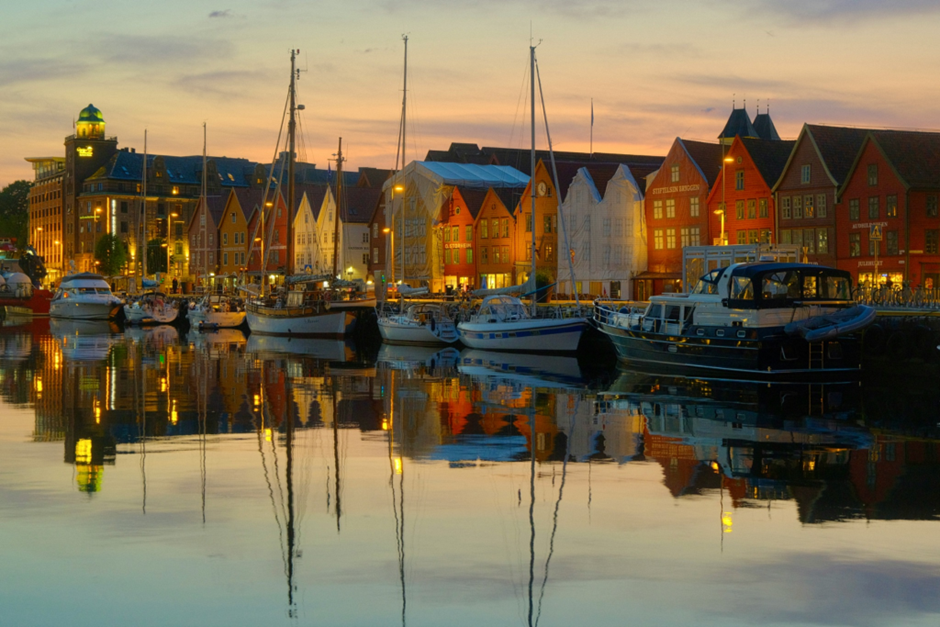
Few places in Scandinavia capture the interplay between sea, history and architecture quite like Bryggen Wharf. Nestled along the harbour of Bergen, Norway’s second-largest city, this UNESCO-listed district feels like a painted memory: narrow wooden buildings leaning gently into one another, alleyways that seem unchanged for centuries, and the ever-present scent of the North Sea drifting through its timber corridors.
Bryggen is more than a historical postcard. It is a living space where artisans, restaurants, museums and storytellers continue the work that began when the Hanseatic League ruled these docks. Walking along its quayside feels like stepping into a chapter of European maritime history — one that shaped trade, culture and identity across the North
Planning a Visit to Bergen
Travellers often begin exploring the city through Bergen tours, many of which introduce the heritage of Bryggen, the city’s multi-layered cultural life and its dramatic natural surroundings.
These guided experiences create context for the architecture and stories that fill Bergen’s harbourside, helping visitors understand how fishing, trade and community shaped this region.
Bryggen Through the Ages
Bryggen’s history stretches back to the 14th century, when the Hanseatic League established a major trading post in Bergen. Stockfish from Norway’s northern coast travelled through these very warehouses, exchanged for grains, fabrics and European goods. The long, narrow wooden structures at the wharf owe their design to this trading culture — practical, efficient and incredibly atmospheric.
A District Rebuilt Time and Time Again
Bryggen has survived numerous fires, each reconstruction preserving its medieval layout. Today’s buildings may be younger than their origins, but they remain faithful to the architectural traditions that defined Hanseatic life.
Walking through Bryggen, you notice:
- Timber creaking beneath your feet
- Overhanging eaves that darken narrow alleys
- Rope lines, carvings and symbols hinting at maritime culture
- Workshops where artisans keep alive techniques passed down generations
It is a place where heritage is tangible — a museum you can wander without stepping indoors.
Architecture That Breathes History
While the district looks modest at first glance, Bryggen’s details reveal its complexity.
The façades tilt slightly from settling over centuries. Reds, yellows and ochres create a colour palette typical of Nordic harbour towns. Inside many of these buildings, wooden beams rise above small rooms once used as merchants’ offices or storage spaces.
The layered architecture symbolises Bergen’s identity: practical, maritime, shaped by community and nature.
Exploring the Hidden Alleys
Bryggen’s most rewarding discoveries lie between the main buildings. Step away from the waterfront and you’ll find:
- Narrow slatted staircases climbing to upper levels
- Quiet wooden courtyards sheltered from the wind
- Carpenters’ workshops filled with the scent of pine and varnish
- Art studios displaying jewellery, ceramics and hand-printed designs
These small, tucked-away spaces evoke the intimacy of medieval life — homes, workshops and trading rooms arranged in an organic labyrinth.
Before Venturing Further into Bergen
As enchanting as Bryggen is, it represents only one part of the city’s soul. Bergen thrives on contrasts: rain-washed streets leading to mountain viewpoints, seafood markets buzzing with energy, modern cultural venues set beside ancient churches. The harbourfront is merely the beginning of the story.
Bergen: The Gateway to the Fjords
Travellers planning longer Norway vacations often base themselves in Bergen, using the city as a springboard to fjord cruises, mountain hikes and scenic rail journeys.
Its geography makes it one of Norway’s most convenient and atmospheric starting points for outdoor adventures.
Mount Fløyen
A funicular ride takes you to this popular viewpoint overlooking Bergen’s colourful rooftops. From here, hiking trails stretch into forested hills and quiet lakes.
Fish Market
Bergen’s famed market has been operating since the 1200s. Today, it features local seafood, artisan products and food stalls where visitors can sample salmon, shrimp, reindeer sausages and warm pastries.
KODE Museums
A collection of art and design museums featuring works by Edvard Munch, historic silver collections, Norwegian modernism and expansive temporary exhibitions.
Fjord Excursions
Bergen offers access to some of Norway’s most iconic fjords, including:
- Sognefjord: Norway’s longest and deepest fjord
- Hardangerfjord: Famous for orchards, waterfalls and hiking routes
- Nærøyfjord: A UNESCO-listed branch known for dramatic cliffs
This interplay between culture and nature makes Bergen an ideal home base.

Artisans and Modern Life Along the Wharf
Bryggen today blends historical preservation with modern creativity. Many of the district’s wooden houses host:
- Local craft studios
- Boutiques selling Norwegian wool products
- Small cafés tucked into timber corners
- Galleries showcasing contemporary Nordic art
This mixture of old and new keeps Bryggen vibrant, ensuring it remains not just a museum piece, but a living, breathing community.
Local Traditions and Maritime Identity
Even with its modern additions, Bryggen remains anchored in maritime culture. Bergen’s relationship with the sea appears in local festivals, cuisine and crafts.
Food Traditions
Expect:
- Fresh fish soups rich with coastal flavours
- Brown cheese served with crispbread
- Cinnamon buns baked in cosy harbour cafés
The culinary scene of Bergen reflects the generosity of its natural surroundings.
Festivals and Cultural Events
- Bergen International Festival: A major arts celebration
- Tall Ships Races: Bringing majestic sailing vessels into the harbour
- Folk music gatherings celebrating Norway’s coastal heritage
These events reinforce Bryggen’s status as a hub of cultural exchange.
Seasons at Bryggen
Each season reveals a different side of the wharf.
Summer
Warm light glows on timber walls. Outdoor cafés fill with conversation. Fjord tours operate late into the evening.
Autumn
Golden leaves scatter across cobblestones. The air is crisp, and the atmosphere feels more intimate.
Winter
Snow dusts rooftops; Christmas markets twinkle; wooden beams creak under frosty air. Bryggen becomes a charming Nordic fairytale.
Spring
Cherry blossoms bloom nearby, contrasting beautifully with the deep colours of Bryggen’s façades.
Why Bryggen Wharf Captures the Imagination
Bryggen is not merely a historic district — it is a place that invites contemplation. Its architecture whispers stories of merchants, storms, trade routes and community. Its alleyways feel protective, almost secretive, as though they have sheltered generations of life. And its waterfront location reminds visitors that Bergen has always looked outward, across the sea, toward the wider world.
Travellers come for the history, but they stay for the atmosphere — the sensation that time moves differently here.
Final Thoughts: A Wharf That Holds the Heart of a City
Exploring Bryggen Wharf means stepping into a rare environment where heritage, creativity and maritime spirit coexist. It is one of Northern Europe’s most distinctive districts, a place that feels both rooted in the past and alive in the present.
Whether you wander its weathered corridors, sip coffee overlooking the harbour, browse artisan workshops or use Bergen as a base for fjord exploration, the experience leaves a lasting impression. Bryggen is a reminder of the endurance of culture — a beautifully preserved testament to Norway’s coastal legacy.
Among the painted timber and quiet alleyways, travellers find a sense of wonder that stays with them long after they’ve left the water’s edge.