
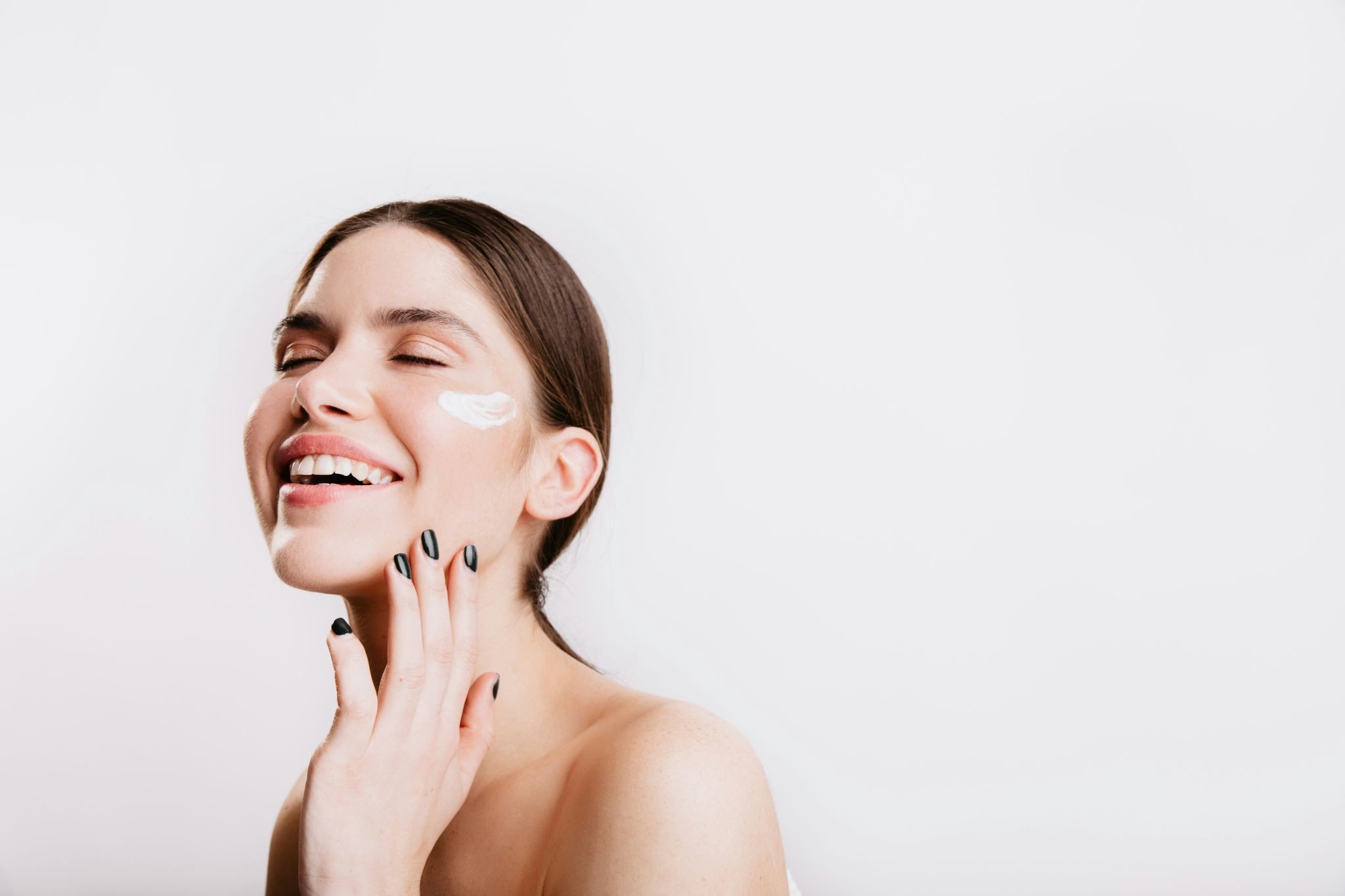
We usually think of skin as how it looks, but it’s also the biggest organ of your body. It controls temperature, keeps out pathogens, traps moisture and is constantly sending messages about what is going on inside you. It’s not just for appearances, but for overall welfare, so it’s important to pay notice when it changes.
The Effect of Time on Skin
From our late twenties, the skin begins to produce less collagen and elastin, the proteins that give it firmness and flexibility. Cell turnover slows down, the moisture retaining barrier weakens and years of sun exposure show up as fine wrinkles, uneven pigmentation and rough texture.
Some of it is genetics, some of it is the way you live. Smoking, poor sleep, prolonged stress and a diet deficient in nutrients hasten this up. The good news is that much of the outward aging we blame on “getting older” is influenced by habits we can control.
The everyday routines that count the most
Before any treatment, credit the basics:
Every day, sunscreen. The best thing you can do for long-term skin health is to wear broad spectrum SPF 30 or above which also helps prevent skin cancer.
Nutrition and hydration. Water, healthy fats and colorful fruits and vegetables maintain the skin barrier from within.
Rest Regular. Brief sleep tends to show as skin repairing itself overnight.
Gentle skin care. A gentle cleanser, a good moisturizer, and if your skin can take it, a retinol or vitamin C product administered cautiously.
Not smoking. It breaks down collagen and cuts off circulation to the skin.
When we can’t care at home
Creams and Serums operate on the outer layers. They can’t always address things that go deeper, such as collagen loss, persistent pigmentation or textural scarring. This is where many people turn to professional skin rejuvenation services meant to encourage the skin’s own repair processes rather than simply covering the skin.
Most contemporary treatments involve controlled, targeted stimulation. Light or energy causes small areas of deliberate micro-injury and the body responds by mending and creating new collagen. Improvement is gradual, frequently taking weeks, and results vary from person to person.
What are fractional laser treatments
Fractional lasers are popular because they treat only a piece of the skin at a time keeping the surrounding tissue untouched for speedier healing. This usually translates to reduced down time compared to older, more aggressive resurfacing.
One treatment people often ask about is LaseMD Ultra laser treatment, a non-ablative treatment that is typically mentioned for fine wrinkles, uneven tone, moderate scarring and general texture concerns. Recovery is frequently easier to integrate in with normal life because it works underneath without removing the top layer. An in-person consultation is important since whether PRP for hair growth is good for you depends on your skin type, goals, and medical history.
Safety questions to ask before treatment
Cosmetic procedures are still health decisions, therefore address them as such:
- Who is it? Seek out trained, qualified practitioners working in a professional clinic.
- Do I have any conditions or drugs to tell you about? Suitability may be affected by certain drugs, skin problems or recent sun exposure.conditions, or recent sun exposure can affect suitability.
- What’s the danger? Redness, swelling and dryness are typical and transient, but you should also be informed about the rarer problems.
- What is the after care? As a rule you need strict sun protection and mild products.
- How shall we gage progress? Photos taken before and after in constant lighting are more dependable than memory.
A good provider will love these inquiries, and will not try to push you into a package before analyzing your skin..
Be sure to note changes not just on the surface
One crucial point: not all skin changes are due to aging. A changing mole, a sore that won’t heal, chronic itching or new patches that suddenly appear should be addressed by a doctor or dermatologist, not regarded as a beauty concern. Rejuvenation treatments are not a substitute for medical examination and are for healthy skin goals.
The bottom line
Good skin health is about consistency. Sunscreen, sleep, nutrition, and a simple regimen. Professional treatment can be a reasonable complement if you are seeking outcomes beyond what skin care alone can do, but you have to choose experienced professionals and have realistic expectations. Treat your skin like the hard working organ it is and it will usually reward the effort.