
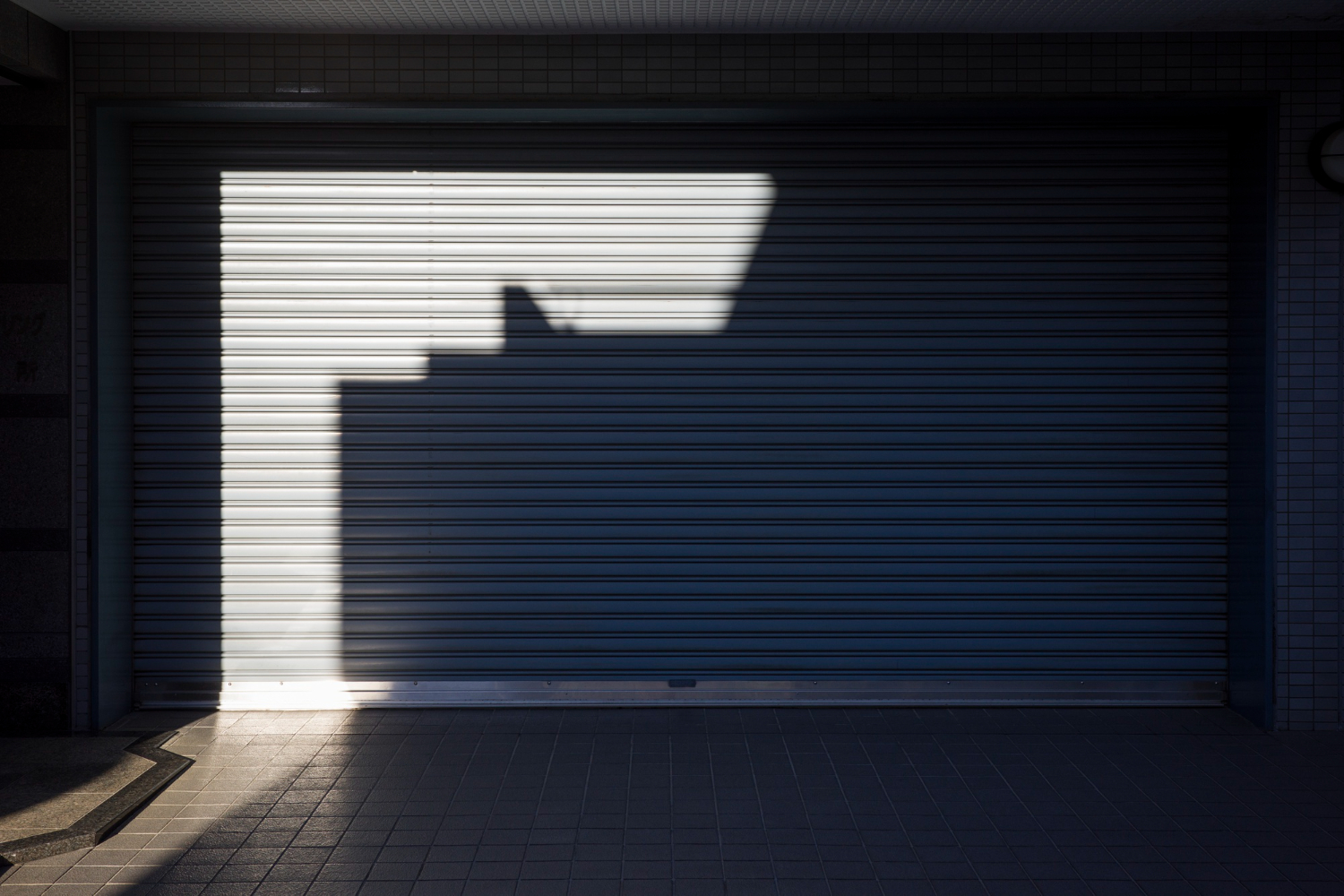
For many households, the garage has quietly become more than a place to park the car. It is a workshop, a gym, a play area, a storage hub, and sometimes an extra living space during warm weather. That shift raises the bar for how the space should perform. The door needs to run reliably, and the garage itself needs to stay comfortable, bug-free, and secure. This guide covers how to look after your door and how to make the most of an open garage.
Why Your Garage Door Deserves Regular Attention
A garage door is usually the heaviest moving object in the home. It cycles thousands of times a year, and every cycle puts stress on springs, cables, rollers, and the opener. Small issues, like a slightly noisy roller or a seal that no longer sits flat, tend to grow quietly until something fails.
Failure rarely comes at a convenient time. A broken spring can leave a vehicle trapped, and a door stuck open leaves your belongings exposed. A modest amount of routine care avoids most of these headaches.
What Good Maintenance Looks Like
Some tasks are easy to handle yourself:
- Look and listen monthly. Watch the door move and note any grinding, scraping, or jerking.
- Lubricate twice a year. Use a garage-door-specific product on rollers, hinges, and springs, and avoid heavy grease that attracts dirt.
- Check the balance. Disconnect the opener and lift the door halfway. It should hold its position.
- Test the safety reverse. Place a small object in the door’s path. The door should reverse on contact.
- Inspect the seals. Cracked or flattened weather stripping lets in drafts, water, and pests.
- Keep tracks clear. Wipe away dust and debris, and make sure bolts and brackets are tight.
Springs and cables are a different matter. They hold dangerous tension, and attempting to adjust them yourself can cause serious injury. For these parts, and for a full inspection, rely on professional garage door maintenance services. A trained technician can spot wear you might miss, adjust the system safely, and tell you honestly whether a repair or replacement makes more sense.
Signs You Need Help Sooner
Call a professional promptly if you notice any of the following:
- The door sags on one side or sits off its track
- Loud bangs, or a door that shudders as it moves
- A visible gap, frayed cable, or broken spring
- An opener that hums but fails to move the door
- A door that reverses or stops without a clear reason
Stop using the door until it has been checked. Continued use can turn a small fault into expensive damage.
Turning the Garage Into Usable Space
Once your door is in good shape, think about how you use the garage on warm days. Many people leave the door open for airflow while working on projects, exercising, or letting children play. The downside is obvious: insects, leaves, dust, and unwanted visitors come in with the breeze.
Screens solve this problem. Homeowners increasingly choose motorized retractable screen systems that stay out of sight when not needed and lower at the touch of a button. They let air and light flow through while keeping bugs and debris out, and they make the garage far more pleasant in summer.
Benefits of a Screened Garage
A screen system adds practical value in several ways:
- Ventilation: Fresh air reduces stuffiness and helps clear fumes from paint, stains, and cleaning products.
- Pest control: Mosquitoes, flies, and wasps stay outside.
- Comfort: A shaded, breezy garage is easier to use for hobbies and workouts.
- Privacy and shade: Some screens reduce glare and give a degree of visual privacy.
- Convenience: Motorized operation means no wrestling with manual panels.
Choose a system sized properly for your opening, with durable mesh and a reliable motor, and ask about warranty coverage and installation requirements.
Safety and Security Considerations
A screen is not a substitute for a closed, locked door, so always close the main door when you leave or go to bed. Keep any opener remotes out of sight in parked cars, and consider rolling-code technology so your access codes change each time they are used. Good lighting inside and outside the garage also deters opportunists.
If you run a heater, grill, or any fuel-burning equipment near the garage, never use it in an enclosed space. Good ventilation is important, and carbon monoxide alarms are worth having in or near attached garages.
A Simple Seasonal Checklist
Tie your garage care to the calendar so nothing is forgotten:
- Spring: Inspect for winter damage, clean tracks, and test the balance.
- Summer: Check screens for tears, clean the mesh, and test the safety reverse.
- Autumn: Replace worn rollers and weather stripping, and refresh lubrication.
- Winter: Clear snow and ice from the base of the door and check seals.
Final Thoughts
A well-kept garage door and a comfortable, bug-free space make daily life easier. Give the door a few minutes of attention each month, leave spring and cable work to qualified technicians, and consider screens if you want to use the garage as an extra room in warm weather. Small, consistent steps protect your investment and make the whole space more useful.