
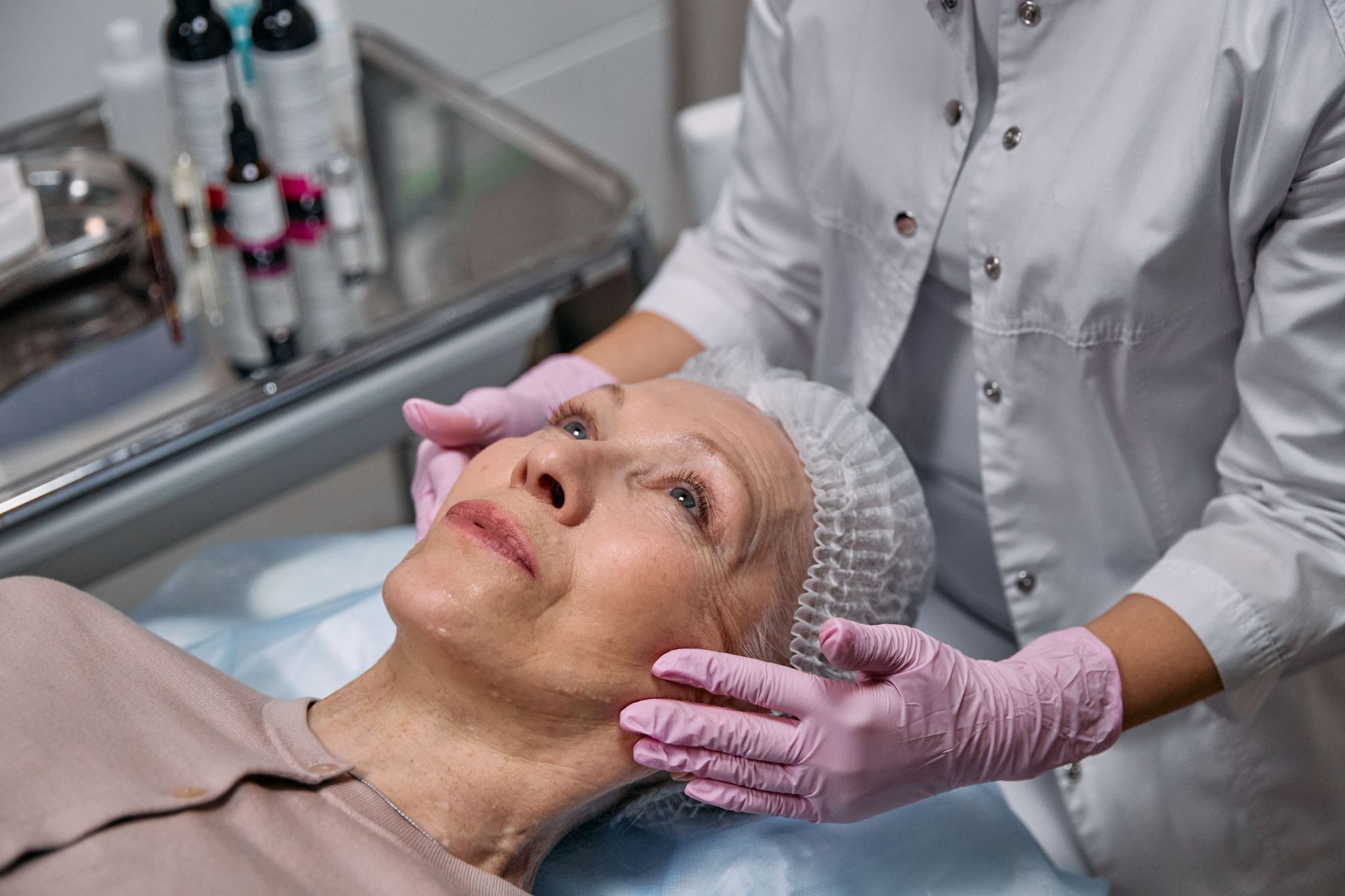
Aging comes for everyone eventually. The skin loses its snap. The cheeks drop. Jowls appear along the jawline. The mirror shows a tired version of a person. Facelift surgery offers a fix. But not all lifts are the same. Each technique works differently. Each one targets specific problems.
This article breaks down the approaches. The goal is finding the right fit for a specific face. A facelift Toronto surgeon can guide a patient. But knowing the options helps a lot. The decision is too important for guesswork.
The Traditional Approach
The classic facelift focuses on the skin and a layer called the SMAS. The surgeon tightens the underlying tissue. Then they pull the skin smooth over the top. This technique improves the lower face significantly. It addresses jowls and loose neck skin effectively. The results are dependable and time-tested.
But the look can be a bit tight sometimes. Occasionally the outcome appears unnatural or pulled. This approach is best for moderate aging. It works well for the lower face. Not so much for the mid-face area. Patients with good skin elasticity often do well.
The Deep Plane Technique
This modern method goes much deeper. The surgeon works under the SMAS layer entirely. They reposition deep facial structures to a higher position. The cheek and neck tissue lift as one cohesive unit. The nasolabial folds smooth out nicely. The mid-face fills back in with volume. The results look natural and soft over time.
No pulled appearance at all. No wind-tunnel effect that looks fake. The longevity is impressive and reliable. Results often last ten years or longer for most patients. This technique is technically demanding and requires skill. It requires a specialist with a fellowship in facial surgery. Not every surgeon can perform it well.
The Nuance of Deep Plane Science
The deep plane technique has passionate advocates. But the evidence is worth examining closely. A systematic review of studies found something interesting. Medially based deep plane techniques did not show a proven advantage. The improvement in the midface was not significantly better overall. The longevity of results was similar to other methods.
Various SMAS techniques can produce excellent outcomes consistently. There is no clear consensus on a single best method. This means the surgeon’s skill matters most. The individual’s anatomy matters too. A talented surgeon can achieve beautiful results with various approaches. The technique is less important than the hands using it.
The Mini Facelift Option
The mini facelift is for early signs of aging. A person sees the first hints of jowls appearing. The neck starts to lose its crisp definition. This procedure uses smaller incisions around the ears. The recovery is faster than a full lift by weeks. The cost is more accessible for many people.
A mini facelift in Toronto runs between eight and twenty thousand dollars. The results are subtle but meaningful. They are effective for the lower face only. This is the gentle nudge approach. Not the full reset that changes everything. Great for patients in their forties or early fifties.
Price Tags and Realities
Cost is a major factor in any decision. A full facelift in Toronto is a significant investment of money. Prices range widely across the city. One clinic quotes nineteen to twenty-seven thousand dollars as a range. Another quotes over twenty thousand as a starting point. The final price depends on many factors going in.
The surgeon’s experience matters enormously. The technique used matters too. Facility fees and anesthesia add thousands to the bill. Combining a facelift with eyelid surgery or a neck lift increases the cost substantially. A person should get a detailed written quote. No hidden fees anywhere. A bargain price is often a warning sign of trouble.

The Recovery Timeline
A facelift is real surgery with real downtime. The recovery takes patience and planning. The first week involves swelling and purple bruising. The face is bandaged heavily. Drains might be present for a few days. Most people return to work after one to two weeks. The initial swelling resolves in a few weeks gradually. But subtle changes continue for months afterward.
The face will feel stiff and strange at first. Numbness may last for many months in some areas. A person must follow the post-operative instructions closely. Elevate the head at all times. Avoid bending over forward. No heavy lifting for weeks. The healing process dictates the final result completely.
Aligning With Aesthetic Goals
The best approach starts with honest questions upfront. What is the main concern right now? Is it the mid-face volume loss? Or the jowl definition along the jaw? Is it the neck laxity showing age? A patient should bring photos to the consultation. They should show examples of the look they desire. The surgeon will recommend a specific technique. They will explain the limitations honestly. They will show before and after photos of similar patients.
A good surgeon does not just perform the procedure. They coach the patient to a smart decision. The result should reflect the patient’s own beauty naturally. Not a copy of someone else’s face. That is the true goal of any facelift.