
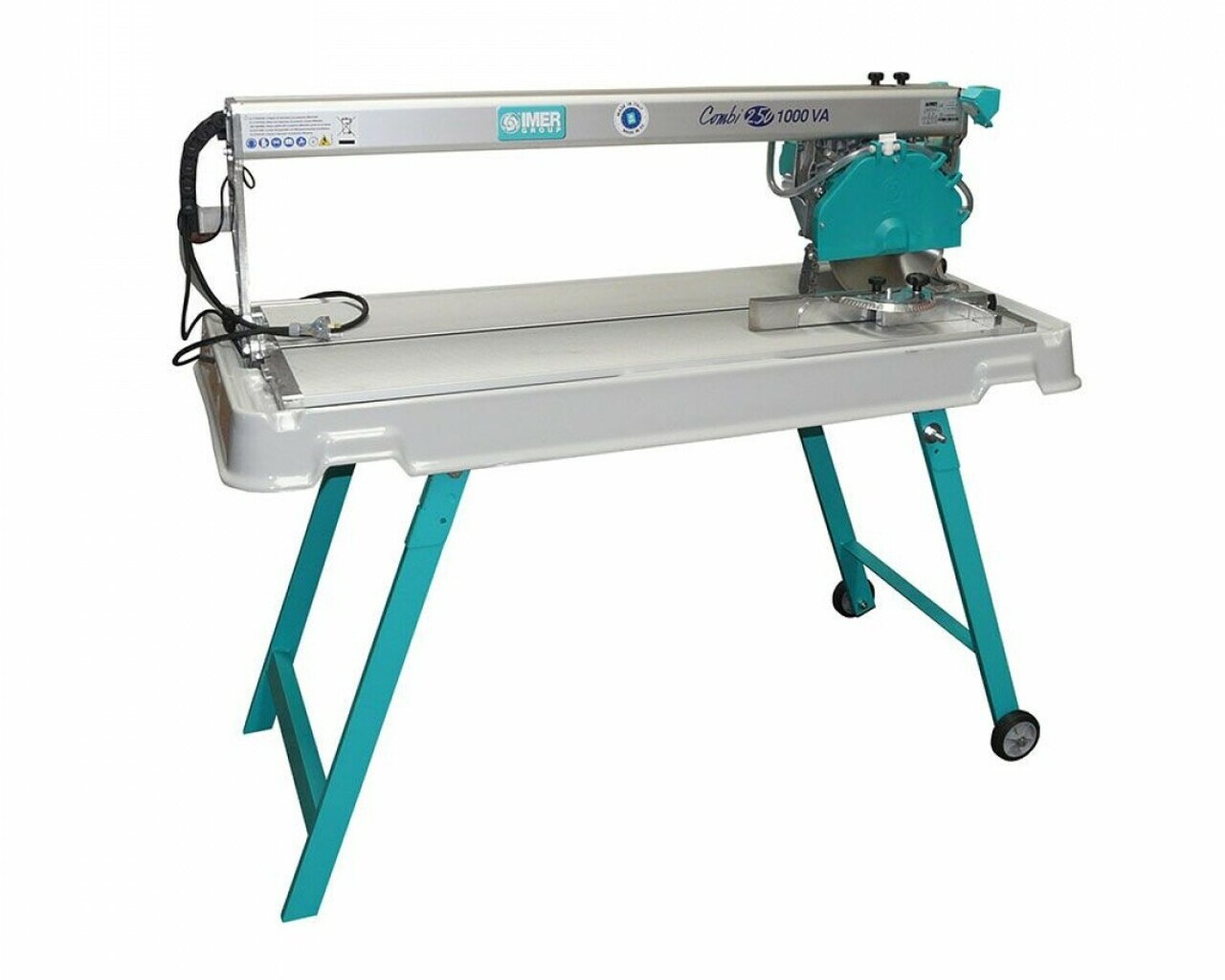
A tiling job can feel straightforward until the first awkward cut throws everything off. Edges chip, lines drift, and suddenly the finish looks rushed rather than refined. The difference often sits in the choice of tool. A reliable tile cutter shapes not just the speed of the work, but how confidently each piece falls into place.
How Different Tile Materials Behave Under Pressure
Tiles have their own personalities, and they do not always cooperate. Ceramic is generally forgiving, which is why many people start there. It responds well to simple scoring tools and tends to snap along clean lines without much resistance.
Porcelain is less accommodating. Denser and harder, it resists casual handling and demands a steadier approach. Electric cutters with diamond blades tend to handle it better, producing more consistent edges without forcing the material.
Then there is natural stone, which rarely behaves the same way twice. Marble might cut smoothly one moment and fracture the next, depending on subtle variations within the slab. Granite, tougher again, needs a tool that can maintain control without introducing stress. Choosing with the material in mind avoids a lot of trial and error that most people would rather skip.
Matching Your Tools To The Scale Of The Project
There is a temptation to treat all tiling jobs as variations of the same task, but scale changes everything. A small splashback or a quick renovation job rarely calls for heavy equipment. A manual cutter can feel practical here, easy to set up and quick to use without much planning.
Larger projects tell a different story. Once you are cutting tile after tile, consistency becomes less of a bonus and more of a requirement. Electric cutters begin to make sense in that context, not just for precision but for stamina. They reduce the physical strain that builds up over time and help maintain a steady standard from the first cut to the last.
It is not just about working faster. It is about avoiding the subtle inconsistencies that creep in when the tool does not quite match the workload.
Paying Attention To Edge Quality And Cutting Accuracy
Even when cuts look straight at a glance, small imperfections can shift the entire look of a surface. Tight joins and even spacing depend on accuracy, and once tiles are fixed in place, there is little room for correction.
Straight cuts are only part of the picture. Around corners, fixtures, and edges, precision becomes more demanding. Basic cutters often struggle here, especially when dealing with narrow strips or detailed shapes.
Wet cutting tools tend to offer more control in these situations. The cooling effect reduces friction, which in turn limits chipping and uneven edges. The result is a smoother finish that requires less adjustment later on. It is the kind of detail that does not shout for attention, but it does make the overall result feel more considered.
When Professional Insight Adds Another Layer Of Confidence
There are projects where the tool alone does not carry the outcome. Complex layouts, high-value materials, or structural considerations can introduce challenges that are not immediately obvious. In those cases, working with an interior architect who is also a licensed builder can shift the entire approach.
That blend of design thinking and construction knowledge brings a wider perspective. Decisions about how tiles are cut and placed are made with the final space in mind, not just the immediate task. It often prevents issues that might otherwise surface later, when changes are harder to make.
There is also a practical side to it. Professionals tend to anticipate problems before they appear, adjusting methods to suit the conditions rather than reacting once something goes wrong. That foresight can make a noticeable difference, especially in projects where precision and longevity both matter.
Final Thoughts
Selecting the right cutter comes down to reading the project properly rather than chasing a single solution. Materials, scale, and the level of detail all play their part, sometimes in ways that only become clear once the work begins.
Get that choice right, and the process settles into a rhythm. Cuts feel cleaner, adjustments are minimal, and the final surface holds together the way it should. It is a small decision on paper, but it carries through every stage of the job, shaping both the experience and the outcome in ways that are hard to ignore.