
Streaming has transformed the way people discover and enjoy music. Millions of songs are available within seconds, making it easier than ever to explore new artists and revisit old favorites. Despite this convenience, physical music formats are experiencing an unexpected revival.
Vinyl records, CDs, and cassette tapes are attracting longtime collectors and younger listeners alike. Rather than replacing streaming, these formats are offering something digital platforms cannot: a tangible, memorable, and deeply personal connection to music.
The Emotional Appeal Of Owning Music
Music has always been closely connected to memories. A particular album can instantly remind someone of a family road trip, a first concert, or an important stage of life. Physical formats strengthen these emotional connections because they become keepsakes instead of temporary files.
Holding an album, reading the liner notes, and admiring the artwork create an experience that streaming simply cannot replicate. Every scratch, crease, or handwritten note tells part of the owner’s story, making each item feel unique.
Nostalgia Connects Multiple Generations
Nostalgia is no longer limited to people who grew up with vinyl or cassette tapes. Younger generations are discovering these formats for the first time, often inspired by parents, grandparents, social media, or popular musicians releasing physical editions of new albums.
Sharing music collections across generations has become a meaningful family activity. Older collectors introduce classic albums while younger listeners contribute modern releases, creating conversations that span decades of musical history.
Collecting Creates A Sense Of Discovery
Streaming platforms encourage instant access, but physical collecting encourages exploration. Browsing shelves at record stores or searching online for a rare album requires patience and curiosity.
Collectors often enjoy learning about album pressings, release dates, cover art variations, and recording history. The journey of finding a desired album frequently becomes just as rewarding as listening to the music itself.
Album Artwork Becomes Part Of The Experience
Large vinyl sleeves, colorful CD booklets, and creative cassette inserts transform music into visual art. Designers, photographers, and illustrators contribute to an album’s identity, giving listeners another reason to appreciate the complete package.
Many artists carefully plan their artwork to reflect the themes and emotions found in the music. Viewing these designs while listening creates a richer experience that digital thumbnails cannot fully capture.
Physical Collections Feel Personal
Every collection reflects its owner’s tastes and experiences. Unlike a streaming library that may contain thousands of saved songs, a carefully selected shelf of albums tells a more intentional story.
Visitors can immediately learn something about someone’s personality by looking at their collection. Favorite genres, memorable concerts, and treasured discoveries all become visible through the albums displayed at home.
The Return Of Cassette Culture
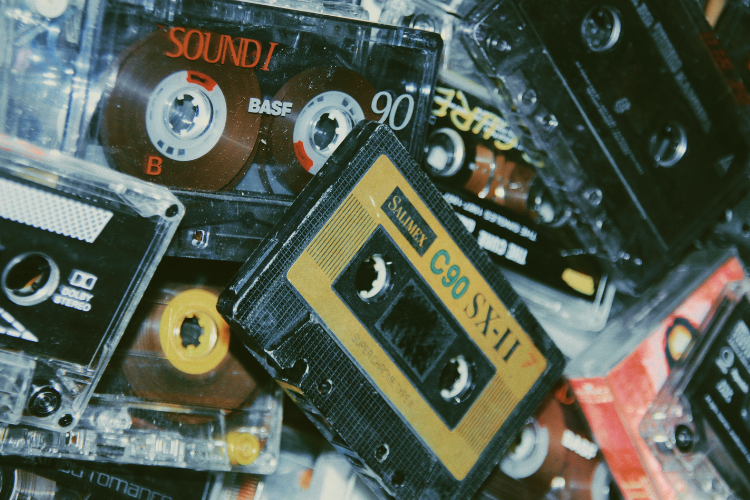
Cassette tapes have made an impressive comeback alongside vinyl records and CDs. Once considered outdated, they are now appreciated for their retro appearance, portability, and unique listening experience.
Independent artists frequently release music on cassette because it offers an affordable physical format while appealing to collectors. Fans enjoy the distinctive packaging and the nostalgic feeling of inserting a tape into a player before pressing play.
Collectors interested in expanding their libraries can browse evergreenvinyl.com/collections/cassette-tapes/, where a variety of cassette releases complement broader physical music collections. Specialty retailers help preserve these formats by making both classic and newer titles accessible to enthusiasts.
Vinyl Continues To Lead The Revival
Vinyl records have become the symbol of the physical music renaissance. Their warm sound, large artwork, and ritual of placing the needle on the record create an experience that feels deliberate and immersive.
Many listeners appreciate slowing down and listening to an album from beginning to end. Instead of skipping tracks, vinyl encourages people to experience an artist’s work as it was originally intended.
CDs Still Offer Practical Advantages
Although vinyl receives much of the attention, CDs remain an important part of the collecting community. They provide excellent audio quality, compact storage, and durability while remaining affordable.
Many albums from the 1980s, 1990s, and early 2000s are easiest to find on CD. Collectors also value deluxe editions containing bonus tracks, expanded liner notes, and exclusive artwork unavailable through streaming services.
Supporting Artists In Different Ways
Buying physical music often provides artists with another valuable source of income. Album sales, limited editions, and signed copies help musicians generate revenue beyond digital streams.
Fans also appreciate owning something permanent that directly supports the creators they admire. Whether purchasing new releases or collectible reissues, physical formats strengthen the relationship between artists and audiences.
Limited Editions Increase Collectible Value
Collectors are naturally drawn to exclusive releases. Colored vinyl, numbered pressings, deluxe box sets, and limited cassette editions create excitement and encourage fans to purchase music they genuinely value.
These special editions often become treasured keepsakes. Even years later, they continue reminding owners of memorable concerts, favorite artists, or significant moments in their lives.
Social Media Has Sparked New Interest
Ironically, digital platforms have helped revive physical collecting. Videos featuring record collections, listening rooms, and vintage cassette players inspire millions of viewers to begin collections of their own.
Online communities also make it easier to exchange recommendations, identify rare releases, and celebrate new discoveries. Collectors can connect with people around the world while sharing their passion for music history.
Collecting Encourages Mindful Listening
Streaming often encourages multitasking. Music becomes background entertainment during work, exercise, or commuting, making it easy to overlook the details within an album.
Playing a physical record or cassette naturally slows the process. Listeners often dedicate uninterrupted time to enjoying the music, paying closer attention to lyrics, instrumentation, and production choices.
Music Collections Become Family Heirlooms
Many collections remain in families for decades. Albums passed from parents to children carry stories that cannot be duplicated through digital playlists.
Receiving a beloved record or cassette tape from a family member adds sentimental value beyond its musical content. These collections preserve personal history while introducing younger generations to artists who shaped earlier eras.
The Future Includes Both Digital And Physical Formats
The continued growth of streaming does not signal the end of physical music. Instead, listeners increasingly use both formats for different purposes. Streaming offers convenience, while physical media delivers ownership, nostalgia, and a richer listening experience.
As more people seek meaningful ways to engage with the music they love, vinyl records, CDs, and cassette tapes continue to thrive. Their lasting appeal proves that collecting is about far more than technology. It is about preserving memories, celebrating artistry, and creating lasting connections that extend well beyond the music itself.