
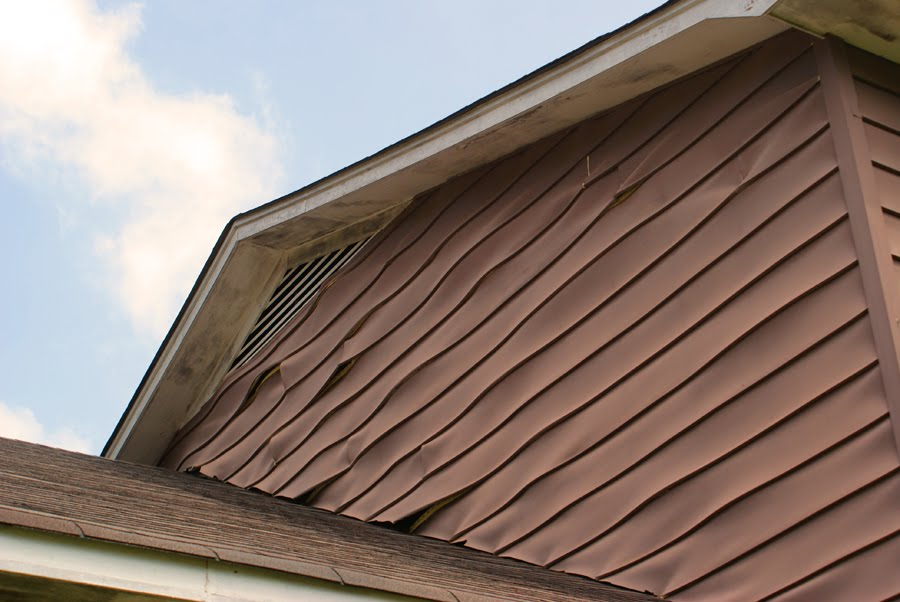
Moncton, Canada, is known for its harsh Atlantic weather. In these conditions, siding materials like vinyl offer excellent resistance to the elements. Since this type of siding is often cost-effective, you may feel more comfortable choosing it. However, you may be reluctant to replace your old vinyl siding unless there are enough reasons to do so. What can they be? While vinyl itself is safe from fungal decay, the wood beneath it may not be. If water intrudes behind the siding, fungus can cause the underlying wood to dry rot, which can damage the siding. Rotten wood can cause the siding to come loose or become unstable. In fact, signs of moisture inside the home also indicate that it’s time to switch to new vinyl siding.
If you don’t want your house to deal with any such issues for long, find local vinyl siding services Moncton for replacement. Replacing siding is never an easy decision, even if you choose the same material. You cannot take any chances with either the quality of the siding or the installation. Here are some details to help you manage these aspects effectively and consult the right contractors.
How To Choose A Reliable Siding Contractor? A Step-By-Step Guide
Vinyl siding quality
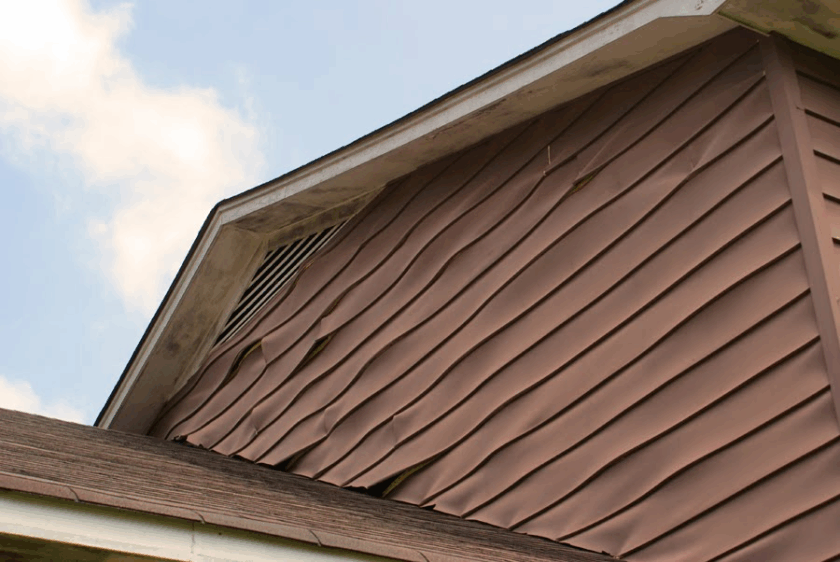
It is often convenient to choose vinyl siding for its weatherproofing and aesthetic benefits. A wide range of colours and styles won’t leave you regretting that your exterior isn’t finished with cedar shakes or wood clapboard. However, it doesn’t mean you shouldn’t be careful about the quality. Your siding contractor must provide high-quality options. More precisely, you should choose UV-resistant vinyl to avoid colour fading or discolouration from sunlight. The thickness of the panels also matters because it determines the siding’s durability. Most premium vinyl siding panels are usually 0.042 to 0.045 inches thick. Thicker panels can withstand impacts much better without buckling or warping easily.
As you live in Moncton, you also want to ensure that your siding is adequately weather-resistant. Your new vinyl siding should provide enough protection against temperature changes, heavy rainfall, and strong winds. If you come across interlocking panel designs and reinforced nailing hems, you have less to worry about. These features help the siding remain securely in place while improving its resistance to wind and weather.
How to Inspect Your Home for Pests: A Step-by-Step Guide
Vinyl siding installation
Installing vinyl siding correctly is as important as choosing the right type and quality. When you hire experts for this job, they take full responsibility for it. They usually start the installation process by preparing the exterior. It is cleaned and levelled. Existing siding is repaired or removed as needed. This step helps them establish a solid foundation for the new siding. Their installation techniques also tend to be precise. You can see this when they drive nails through the siding’s nailing hems. They leave proper space between the siding and the nail head to allow the vinyl to expand and contract during temperature fluctuations. They also know the risks associated with overdriving nails. Therefore, these professionals remain much more careful throughout the installation process.
So, if your old vinyl siding has lost its vibrancy, warped or cracked, or shows other signs of damage, don’t delay. Hire a trustworthy contractor right away. For quick assistance, visit Artisanroofing.ca.