
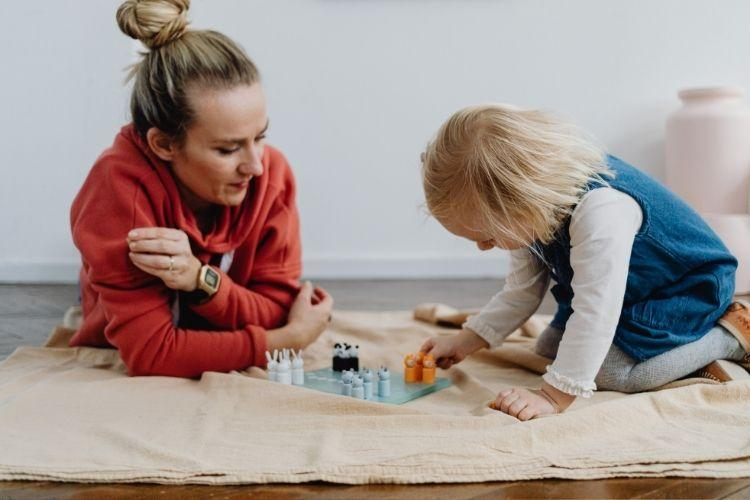
The early years of childhood are some of the most important in a person’s life. During the preschool years, children develop foundational skills that influence how they think, communicate, interact with others, and approach learning.
While traditional preschool programs have long been a popular option for families, a growing number of parents are seeking more personalized educational experiences that align with their children’s unique learning styles and developmental needs.
This shift reflects broader changes in how families view education. Rather than expecting every child to follow the same path, many parents now recognize that children learn differently and benefit from approaches tailored to their strengths, interests, and developmental pace. As a result, personalized learning has become an increasingly important consideration during the preschool years.
Why One-Size-Fits-All Education Is Losing Appeal
Every child is unique. Some children are naturally curious and independent, while others thrive with structure and repetition. Some learn best through hands-on activities, while others prefer listening, observing, or engaging in creative play.
Traditional preschool settings often face the challenge of serving many children with diverse needs within a standardized framework. While these programs can provide valuable social and academic experiences, they may not always accommodate the individual pace at which children learn and develop.
Parents are becoming more aware of these differences and are increasingly looking for educational environments that recognize and support their child’s individuality. Personalized learning allows children to engage with concepts in ways that feel natural and enjoyable, helping them build confidence and develop a lifelong love of learning.
Understanding Different Learning Styles
Children absorb information in different ways. Recognizing these differences can help parents create learning experiences that are both effective and enjoyable.
Visual learners often respond well to pictures, diagrams, books, and demonstrations. Auditory learners may benefit from songs, stories, conversations, and verbal instruction. Kinesthetic learners frequently learn best through movement, hands-on activities, and exploration.
In a personalized learning environment, educational activities can be adapted to fit these preferences. Instead of forcing a child to conform to a specific teaching method, the learning experience is adjusted to meet the child where they are.
This flexibility can make a significant difference during the preschool years, when children are naturally developing their understanding of the world through exploration and play.
The Growing Popularity Of Flexible Learning Options
The rise of flexible educational models has made personalized learning more accessible than ever. Homeschooling, hybrid programs, online resources, and customized curriculum options provide parents with a wider range of choices than previous generations had available.
Many families appreciate the ability to create schedules that work around their lifestyles while maintaining a strong focus on educational goals. Flexible learning environments also allow parents to spend more time on subjects that interest their children and adjust the pace when additional support is needed.
This flexibility is particularly valuable during the preschool years because young children often experience rapid developmental changes. What works for a child one month may need adjustment a few months later. Personalized learning provides the freedom to adapt as those needs evolve.
Supporting Development Beyond Academics
Preschool education is about far more than learning letters and numbers. The early years are also a critical time for developing social skills, emotional intelligence, creativity, and problem-solving abilities.
Personalized learning approaches often allow parents and educators to focus on the whole child rather than strictly on academic benchmarks. Children can explore activities that encourage curiosity, resilience, communication, and independence.
For example, a child interested in nature may spend time observing plants, collecting leaves, and asking questions about the environment. These experiences support cognitive development while also fostering creativity and critical thinking.
When learning is connected to a child’s interests, engagement naturally increases. Children become active participants in their education rather than passive recipients of information.
The Role Of Parents In Personalized Education
One reason personalized learning has gained popularity is the increasing role parents play in their children’s education. Many families view education as a partnership rather than something that occurs exclusively in a classroom.
Parents are often uniquely positioned to understand their child’s strengths, challenges, interests, and personality traits. This insight allows them to make informed decisions about educational approaches and learning opportunities.
For families exploring home-based learning options, numerous resources are available to help create structured yet flexible educational experiences. Those interested in age-appropriate learning materials can visit The Tuttle Twins to explore curriculum resources designed for preschool-aged learners.
The growing availability of educational tools, lesson plans, books, and digital resources has made it easier for parents to take an active role in shaping their child’s learning journey.
Technology And The Personalization Of Learning
Technology has also contributed to the rise of personalized education. Educational apps, interactive learning platforms, and digital resources can help tailor instruction to a child’s specific needs and interests.
Many modern learning tools can adapt to a child’s progress, providing additional support when concepts are challenging and introducing more advanced material when appropriate. This individualized approach can help maintain engagement while reducing frustration.
However, many experts emphasize that technology works best when combined with real-world experiences. Preschool-aged children still benefit greatly from hands-on activities, social interactions, outdoor play, and creative exploration.
The goal of personalized learning is not simply to increase screen time but to use available tools thoughtfully to support meaningful educational experiences.
Building Confidence Through Individualized Learning
One of the most significant benefits of personalized learning is the confidence it can help build in young children.
When children are encouraged to learn at their own pace, they are less likely to feel overwhelmed or discouraged. Success becomes tied to personal growth rather than comparison with peers.
A child who struggles with one area may excel in another. Personalized learning creates opportunities to celebrate those strengths while providing support in areas that require additional attention.
This positive learning environment can help children develop a growth mindset—the belief that abilities can improve through effort and practice. Research consistently shows that confidence and resilience play an important role in long-term academic and personal success.
Preparing Children For A Changing Future
The future workforce will require skills that extend beyond memorization and standardized testing. Creativity, adaptability, communication, problem-solving, and critical thinking are increasingly valued in both educational and professional settings.
Personalized learning helps cultivate these skills by encouraging children to ask questions, explore interests, and think independently. Rather than focusing solely on achieving predetermined milestones, personalized education often emphasizes the process of learning itself.
Children who develop curiosity and self-motivation during their preschool years may be better equipped to navigate future educational challenges and opportunities.
As society continues to evolve, many parents are recognizing the importance of preparing children not just for school, but for lifelong learning.
Conclusion
The growing demand for personalized learning in the preschool years reflects a broader understanding that every child develops differently. Parents are increasingly seeking flexible educational options that respect individual learning styles, developmental timelines, and personal interests.
Whether through homeschooling, hybrid education, customized curricula, or adaptable learning environments, families have more opportunities than ever to create meaningful educational experiences tailored to their children’s needs.
By focusing on the unique strengths of each child and supporting development across academic, social, and emotional areas, personalized learning can help lay the foundation for confident, curious, and capable learners. As educational options continue to expand, it is likely that personalized approaches will remain an important part of how families support their children during these formative years.