
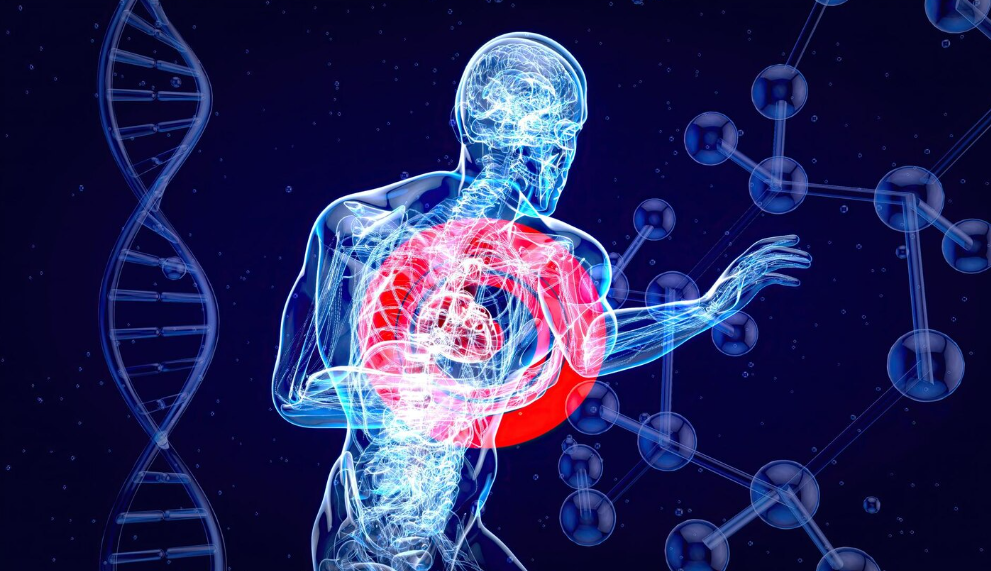
Healthy blood flow is one of the most important functions within the body that many tend to overlook. All organs, muscles, and tissues rely on effective flow to provide oxygen, nutrients, and vital hormones for their proper function. Good circulation makes it easier for the body to regulate energy, heal after physical stress, assist mobility and promote health and fitness. But when blood cannot flow freely or does not circulate well, even normal tasks can start to seem laborious and uncomfortable.
Most people do not realise how much circulation affects their daily lives. The leg remains feeling heavy, fatigued, full as it were (in one corner), numb and/or in pain and a little tired again – in many cases such manifestations are qualified as ordinary signs of aging or stress. In particular, these symptoms could likely signal that blood circulation is in distress. By understanding the impact of good blood flow on physical and mental health, people can take more control over their future well-being.
Understanding the Importance of Circulation
Circulatory system, this system carries oxygen-rich blood from your heart to the rest of your body. Meanwhile, veins carry back oxygen-poor blood to the heart and lungs so that the cycle can begin anew. This constant circulation is vital for normal body function and for supporting health.
As muscles are active and working, they need oxygen, organs require proper nutrition for their functionality and the immune system relies on adequate blood flow to transport its infection combating cells throughout the body. Circulation also plays an important role in the process of thermoregulation and elimination of waste products and the body helps with tissue repair after injury or exertion.
Maybe most important of all, healthy blood flow is particularly crucial in the legs due to the fact that veins have to overcome gravity to send blood back up towards the heart. The pooling of blood in the limbs when circulation is compromised, can lead to swelling, pain and venous diseases including varicose veins or chronic venous insufficiency.
Over time, poor circulation can begin to occur due to many different factors like sitting too much, obesity, smoking, aging and diabetes. Symptoms often develop gradually, leading many to not seek medical attention until the pain interferes with everyday life.
Blood Flow and Energy Levels
Building energy relies a lot on circulation in the body. Cells use oxygen transferred through the blood to produce the energy necessary for movement, exercise, and cognitive capability as well as vital organ function. Healthy circulation allows your body to supply oxygen and nutrients to the entire body, which helps with endurance and concentration during the day.
Impaired blood flow can result in constant tiredness, lethargy or lesser performance. Muscles and organs that do not get enough oxygen will find it harder to work properly, making even easy things feel rather tiring.
Amongst all the human organs, the brain is very sensitive to changes of circulation. Good blood circulation is very important for concentration, memory and mind clarity. Poor circulation can lead to brain fog, your ability to concentrate, and lower productivity. However, many people chalk those symptoms up to stress and lack of sleep rather than recognizing that perhaps circulation could be a factor.
Chronic fatigue related to inadequate circulation can also make a vicious loop where better health is negatively affected. Low energy tends to lead to a decreased desire to be physically active and inactivity can also weaken the circulation further over time. Consequently, blood flow is keeping you physically energized to power through daily tasks and also vital for enjoying long-term health and optimal performance.
How Healthy Circulation Improves Comfort
Circulation health is very well related to physical comfort. Good blood circulation can help decrease inflammation, fluid balance and function of nerves. Restricted circulation usually progresses slowly, causing discomfort in your legs including swelling, cramping, tingling or heaviness.
It is also the reason that people whose job involves long hours of standing or sitting often have issues related to circulation, because more time blood will find it difficult to move and circulate well in the veins. Gradually, this pressure can give way to varicose veins, fatigue in the legs, and chronic light or heavy aching that worsens as the day passes.
Good circulation also supports healing and recovery of tissues. Blood flow acts as a delivery service, bringing nutrients and immune cells to stressed or injured tissues. Poor circulation slows your healing processes and causes systemic inflammation, which makes physical discomfort harder to manage over time.
Today circulation problems can easily be taken care of with modern vascular care before they happen to get worse. Patients looking to receive care from board-certified vein experts in Syosset NY may benefit from advanced evaluations and minimally invasive treatments designed to improve circulation, reduce discomfort, and support long-term vascular health.
This is because it will help people get back to feeling comfortable and avoid potentially serious complications of chronic vascular disease if problems with the circulation are caught as soon as possible.
Circulation and Mobility in the Daily Life
Functional blood circulation is extremely important for mobility. While playing, training or performing normal activities each muscle and joint require oxygen and nutrients to operate properly. Certain leg complications that may also occur when circulation is hindered are weakness, cramping, numbness or pain that limits walking.
Loss of mobility can be gradual and impact independence and quality of life. People who suffer with problems related to circulation may try not to walk, exercise or stand for long periods of time – and this, in turn, can cause muscle weakness and problems with circulation worsen.
Blood flow is essential for endurance, flexibility and physical resilience. Staying active pumps muscle back to the heart, allowing circulation. That is why walking, stretching, swimming and low-impact exercise are often recommended.
Mobility is largely a component of emotional wellness too. Physically active individuals can engage in work, social activities, travel and exercise more comfortably. This means that circulation benefits have the potential of improving both physical and mental well-being.
Lifestyle Practices to Protect Healthy Blood Flow
It takes a consistent lifestyle within the right framework to promote vascular and cardiovascular health, to ensure we have good circulation. Staying active is still one of the best ways to enhance circulation, as exercise strengthens the muscles and cardiovascular system and also decreases venous pressure.
Another thing is nutrition. This means a diet followed provides fruits, vegetables, lean protein, healthy fats and whole grains which promote vascular health along with inflammation reduction. Drinking enough prevents blood volume from dropping too low they will not circulate efficiently.
Just as it is well established that not smoking and dealing with stress are important because they both negatively affect blood vessel health. Additional means to reduce strain on the legs include taking breaks from prolonged sitting or standing all day long, upon which should promote better blood flow during the day.
Another significant aspect is preventive healthcare. By having the persistence of swelling, discomfort, fatigue or visible vein changes evaluated by a medical professional it allows healthcare providers to identify circulation issues sooner and offer early interventions.
Conclusion
Blood circulation increases better, especially forming a solid basis for energy to move well. With optimized circulation, your body can quickly transport oxygen and nutrients to where it is needed most, aiding in physical performance, recovery and lifelong health.
Poor circulation does not just become uncomfortable in some cases, and is more than just a nuisance but can gradually disrupt day to day living, exercise and quality of life.
Today, modern healthcare constantly provides innovative solutions for circulation related conditions that enable patients to manage symptoms sooner and lead more active and healthier lives. So taking this first step, a commitment to improving and maintaining optimal blood flow is an investment in both short-term comfort and the long-term health of your body.