
We all have busy schedules and a lot of demands to keep up with. Many of us move from our desks to our cars and then to our couches and then to the kitchen. This fast-moving, high-paced lifestyle usually involves the daily consumption of technology. We’re trained to be more efficient by technology, and that efficiency, or convenience, comes with a cost. It has affected our bodies. Circulation, however, is the body’s system that too often gets ignored. It’s often the first one affected by long, unbroken stretches of standing, working, or late-night scrolling. The simple acts of standing for long hours, sitting through workdays, and scrolling late into the night can gradually affect how blood flows through the body.
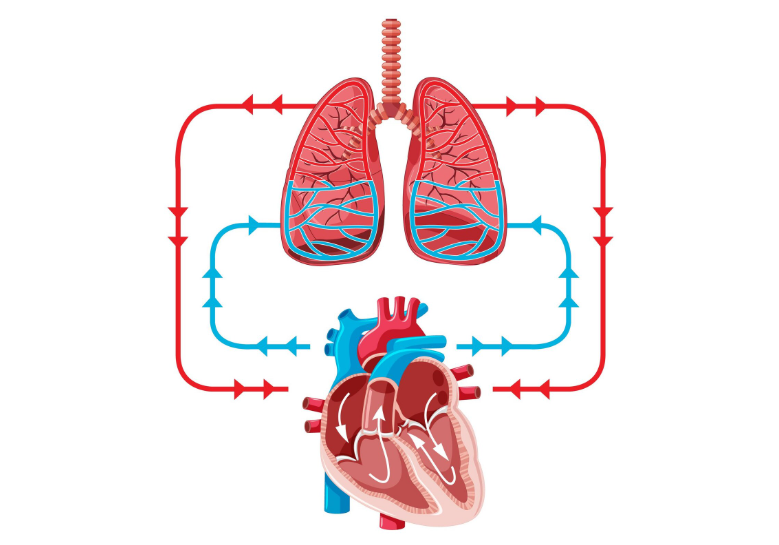
The body’s circulation system is how the body transports blood with its oxygen, nutrients, and hormones to the tissue and removes the waste that is no longer needed by the distal tissues. Blood flows, the body has more efficient mechanisms for energizing, repairing, and regulating its organs. The body’s daily patterns of living, working, and exercise can lead to silent and slow-but-intervals and lead to the body experiencing discomfort, swelling, fatigue, and changed appearance of the veins.
The Importance of Movement and Circulation
The heart, blood vessels, and muscles must work together for effective circulation. Blood is continuously pumped in one direction by the heart, and veins are dependent on muscles to push blood in the same direction the heart is pumping, especially the legs, as blood must travel against the pull of gravity.
One-way valves, which are located in veins of the legs, stop the backward flow of blood. When legs are moved, the veins are compressed and the valves are assisted to help blood flow in the forward direction. When muscles are not moved for a long time, blood can accumulate in the lower part of the body, which can increase the pressure in the veins.
Extreme levels of pressure for a long time can damage the walls and valves of the veins. Usually, one does not feel immediate pain caused by this. This is the reason why problems caused by poor habits are often overlooked until they become a big problem.
The Dangers of Sitting
Sitting has become a necessity in work, travel, and leisure activities. During the workday, office workers can spend up to eight hours sitting at a desk. Remote workers are often sedentary for long periods, as they typically only move between their desk and their couch. A considerable amount of leisure time is spent sitting as well, whether it is watching television or scrolling through social media, sitting is often the preferred activity.
Inactive body parts during sitting are the leg muscles. The knee and hip joints are both held in a bent position, and this may hinder blood flow to some extent. Consequently, the return of blood to the heart slows down and blood may pool in the lower extremities. By the end of the day, this may cause subtle swelling in the legs, an all too common feeling of heaviness, or mild discomfort.
The risk of chronic venous insufficiency increases with prolonged sitting. This is a condition where the valves in the veins cease to work properly. While vein disorders are often associated with older age, a sedentary lifestyle has caused the age of onset to be much younger.
Standing Still: A Different but Similar Risk
Prolonged standing, just like prolonged sitting, is associated with certain risks, particularly those involving the circulatory system. Some retail, healthcare, hospitality, and manufacturing jobs require employees to stand for long periods of time, which inevitably leads to poor blood circulation. While standing may be perceived as a more active position than sitting, the absence of leg movements is very counteractive.
When standing and not moving, blood is pulled down toward the lower legs due to gravity. Without any leg movements or walking, the blood flow in the veins is not pushed out to the upper body and this causes very high pressure in the veins. Over time, this can stretch vein walls and lead to the development of venous disease characterized by vein swelling and the appearance of varicose veins.
The primary concern is not whether one is seated or standing, but whether there is movement of the body in an active and varied manner. Both static sitting and static standing inhibit the muscle pump, which is essential for good circulation.
Scrolling and Screen Time: The New Multiplier
Smartphones and tablets are weaving sedentary behavior into patterns of daily life. Scrolling is often done in a relaxed position, and people routinely slouch, cross, and tuck their legs. Using a screen for a long period of time can also push back bed time, which decreases the amount of sleep the body needs to heal and repair the endothelial lining of blood vessels.
Unlike a job with scheduled breaks, screwing is an activity that people do spontaneously, even though it can take the place of a scheduled activity. What starts as a quick check of the time can turn into the loss of 15, 30, or even 60 minutes of activity. During screen time, a person does not use a single muscle or engage even a little, and the blood flow becomes stagnant.
In addition, the use of screens leads to a reduction in all movement, including the good kind. If a person spends 60 minutes scrolling, that is 60 minutes that could have been used for walking, stretching or exercising to keep blood moving in the body. This is a problem that, over time and a little sedentary behavior, leads to a lot of neglected circulation.
Avoidable Symptoms and Warning Signs
As symptoms of venous insufficiency begin to present, it is not uncommon to experience leg tiredness and swelling, intermittent leg swelling and tiredness, and the appearance of spider veins. Many people dismiss these symptoms because the symptoms do not seem serious in nature, and most will end up being wrong. These symptoms suggest elevated venous pressure and a possible venous insufficiency. Symptoms of venous insufficiency will progressively worsen and many will experience aching and swelling beyond the control of the individual. The symptoms of venous insufficiency can lead to a diagnosis of venous insufficiency can lead to skin discoloration, skin that is impossible to heal, and skin that has an appearance of a wound, and skin that is thick. The earlier the warning signs have been recognized, the more opportunity that can take place and the more serious the problem will be. Gradual Changes in your daily routine can have helpful and long-lasting changes to your circulatory system.
Ways to Circulatory System
In many instances, people who are standing, sitting or scrolling, are unaware of the dangers that exist. It is possible to have a positive effect on your circulatory system if you stand or walk to take a break from sitting. This process has been shown to have a positive effect on your circulatory system. In order to achieve the best blood circulation possible, you will want to move your legs up and resting on your legs, while you are elevating your legs will have a positive effect on your circulatory system. In the process of engaging your leg veins, your system will have an effect on your circulatory system. Exercise is also beneficial to your circulatory system. Cycling, running, and walking are all forms of exercise that will also benefit your veins.
Hydration plays an important role, as adequate fluid intake helps maintain optimal blood viscosity, allowing it to flow freely through the blood vessels. Proper nutrition that is high in antioxidants promotes the body’s blood vessels to become less inflamed, thus bettering the overall inflammatory condition of the body.
When to take Professional Evaluation Seriously
It is vital to have the abovementioned habits. However, some people may require an evaluation from a medical professional. Unremitting symptoms, especially those coupled with leg pain, should not be cast aside. Evaluating the problem early on helps the medical professional decide if they need to apply any proactive measures (conservative measures) to stop the problem from getting worse, or if they need to go after the problem in a more aggressive way (targeted measures).
People with chronic issues should not hesitate to seek out Vein Treatment in Debary. The care methods available in today’s world will at least give you some answers. There are even options that are minimally invasive. Additionally, those methods also target venous insufficiency while rejuvenating healthier blood flow. Management of symptoms before they become more diverse, is confidence and tranquillity that is achieved by getting a consultation from a specialist. Evaluation and proper handling of the symptoms is also important to prevent the symptoms from escalating a lot more.
Changing Means of Daily Living for the Betterment of your Blood Vessels (in long term)
It is highly unlikely that the daily activities, as a whole, will cease to exist. There will always be work, and work will always involve the use of computers. Technology will always be an integral part of communication and entertainment. However, people should be able to change their daily activities. Even if it is tedious, it should be done for the betterment of blood circulation or health of the vessels.
Phone calls can be done while standing. A good practice to counteract sitting while on the phone is to take a few quick walks as a break. Set a timer to remind you to take quick breaks to walk. As well as break walking, include walking in your daily routine by choosing to take stairs and by intentionally walking farther away from your destination.
The circulatory system does not rely on intensity, it thrives on consistency. This makes the circulatory system less taxed by the sedentary positions you may be in.
Conclusion: A Series of Small Decisions Ultimately Makes A Big Difference
It is common practice to be standing, sitting, and scrolling, however, the simplicity of these practices hides the toll it takes on the circulatory system. The circulation system is not designed to be completely stagnant and once a system outlives it’s purpose, it soon begins to operate with less and less efficiency. Because it is a quiet process, many people fail to see the importance of it.
In a world designed for your convenience, it can be counterintuitive to interact with the environment, however, the convenience does not outweigh the importance. The importance lies in the circulatory system. The more you prioritize movement designed for circulation, the healthier and more resilient you will be.