
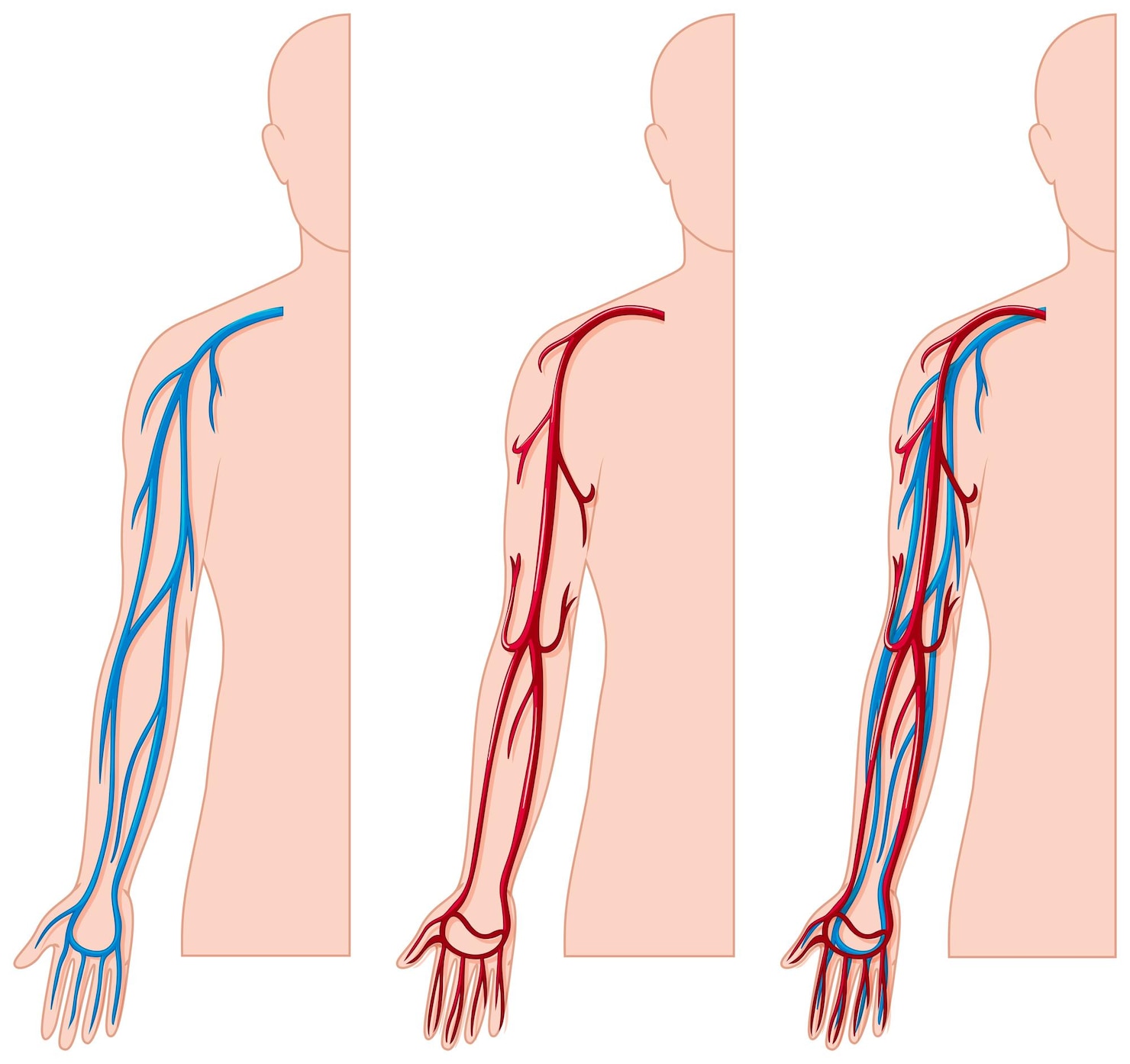
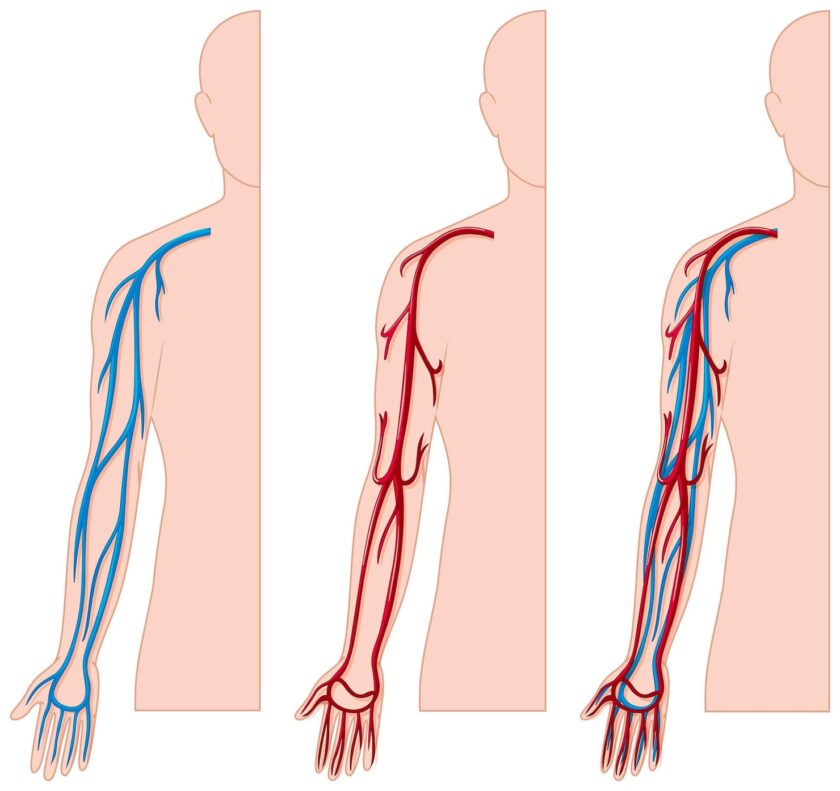
Vein care is often an afterthought until pain, swelling or the appearance of veins gets in the way of everyday living. But the circulatory system is on the job every minute of every day, circulating oxygen-enriched blood to all parts of your body and returning it safely back to your heart. Although genetics and age shape how veins work, everyday activities hold a surprising amount of power when it comes to long-term vascular health. How we move and eat, how we handle stress and rest — these habits can either promote healthy circulation or quietly contribute to vein-related problems such as varicose veins over time.
Knowing how everyday activities impact vein health empowers people to ask questions, make decisions that preserve good circulation, minimize pain and enhance their lives.
Role of Veins in Circulation
Veins carry blood from tissues back to the heart in a looping network after it has released its oxygen. Veins, unlike arteries, have to work against gravity, especially in the legs. To do that, they depend on one-way valves and muscle contractions to work the blood up effectively. As these valves lose function or flow becomes sluggish, blood can pool in the veins and cause pressure that results in characteristics of vein disease including swelling or heaviness or fatigue and ultimately visible changes in the veins.
The body’s circulation system is responsible for sending blood, oxygen and nutrients through the body. Good circulation is of course important to overall health because the majority of our bodily functions are governed by that flow of blood. And it’s not simply a matter of good anatomy — daily behaviors can either build a strong, uninterrupted current or cause an insidious but potentially deadly back eddy.
Physical activity and its impact on blood flow
Exercise is one of the absolute best things you can do for circulation. Walking, stretching and gentle exercise can stimulate the calf muscles, which are sometimes called the body’s second heart because they help push blood back to your heart. When you are not moving, circulation slows and pressure increases in the veins.
The way of life in the modern age often requires long hours while sitting, standing and/or working at a desk, with heavy reliance on driving and working sites. The reason why sitting still makes blood pool in the legs is because muscles do not have to work, and therefore doesn’t require them be filled up with blood. Over time this can cause damage to vein valves and result in chronic venous problems. There is evidence that non-exercise movement, no matter how brief or light the activity may be, has an important role in maintaining vascular health.
Diet and the Strength of Veins
Nutrition has numerous effects on circulation. A healthy diet can help you to keep a healthy body weight, which in turn can decrease vein pressure. If a person is overweight, too much pressure will be exerted on the lower extremities which impairs one’s blood returning to the heart effectively.
Blood vessel integrity and inflammation are helped by some nutrients. High-fiber diets can help avoid constipation (which adds to abdominal pressure, which affects leg veins). Proper hydration maintains blood thickness, thus improving circulation and decreasing the chances for slow-moving blood. While diet alone cannot undo damage to veins, it can have a big impact on how well the circulatory system works day-to-day.
Cigarette Smoking and Its Impact on Vascular Health
The worst thing you can do for circulation through smoking. It adds to inflammation, injures blood vessel walls and reduces the delivery of oxygen all over the body. These results damage the veins and cause them to perform inefficiently.
Nicotine also constricts blood vessels, and this makes your circulation less efficient which puts more pressure on your venous system. Some vascular damage can linger long after quitting, which is why it’s so important to offer prevention and encourage healthy lifestyles in the young.
The Impact of Long-Term Standing or Sitting on Veins
Jobs and daily activities that involve prolonged standing or sitting are the biggest influence on vein health. Standing for many hours tends to raise pressure in the veins of the legs, and sitting for prolonged periods can prevent the muscles from moving blood back up towards the heart.
This pairing is particularly relevant in today’s work setting, where you may be staring at a desk and commuting for as much time. These habits can lead to leg swelling, discomfort, and the development of worsening spider or varicose veins. 5) posture when you do this type of work switch positions from time to time, take quick movement breaks and/or be mindful of the circulation.
The Impact of Footwear and Dressing outputs
There are, in fact, wardrobe choices that can affect circulation more than a lot of people realize. When unsupportive shoes are worn, this can cause changes to posture and muscles which may affect blood flow through the legs in an indirect manner. Similarly, garments that are too tight around the waist, hips or thighs can interfere with blood flow and raise venous pressure.
Wearing comfortable, supportive footwear and avoids tight clothing can encourage optimal blood circulation and minimizes extraneous stress on the venous system during daytime.
Stress, Sleep, and Circulatory Function
Stress is known to have a direct effect on vascular health. Chronic stress causes hormonal responses that increase inflammation and narrow blood vessels, reducing the efficiency of circulation. These effects can exacerbate over time vein symptoms and the entire circulatory strain.
Sleep is equally important. While you’re at rest, your body is repairing tissues, maintaining hormones and balancing blood flow. Sleep deprivation interrupts this activity, which manifests in fatigue and inflammation as well decreased vascular flexibility. Stress management, and quality sleep play a critical role in keeping your circulation healthy.
Hormonal Changes and Lifestyle Interactions
Vein elasticity and blood vessel tone are affected by hormonal changes. Life stages, like pregnancy and menopause or taking hormonal therapy, can also cause veins to become more susceptible to pressure and dilation. That’s why lifestyle choices are so important during this time, as good habits can counteract the hormones that are affecting blood flow.
Regular movement, good nutrition and stress control can minimize the symptoms of hormone induced vein disorders and sustain healthy veins over a lifetime.
Early Clues That Your Lifestyle Could Affect Vein Health
Vein-related issues often develop gradually. Signs may be leg heaviness, slight swelling, aching at the end of the day, or new veins that were not there before. [T]hese symptoms can be signs that circulation is under pressure.
Intervention with lifestyle, at this point may not halt but can slow and alleviate progression. But by disregarding early indicators one gives opportunity for underlying problems to deteriorate, resulting in more serious vein conditions that need intervention.
When Professional Evaluation Becomes Important
Certainly life style has a role in vein health, but it is not always sufficient to correct valve damage that already exists. If a man’s symptoms don’t go away, appear to be getting worse or veins appear to change shape on the end of his penis, those could be signs that he should seek professional care. Modern vein care is interested in pinpointing the source of circulatory dysfunction and providing specific, minimally invasive solutions.
If you are ready to gain the care of expert treatment, Vein Specialists in Fort Myers offers complete evaluation and personalized treatment options that will conform to today’s contemporary concepts of vascular medical care and minimally invasive patient friendly procedures.
Building Good Routines Into The Day To Day Lives
To improve vein health there is no need to change your whole life. Small but relentless alterations are usually the most effective in the long run. Deciding to do more movement, eat consciously, stress less and listen to the early warning signals is a foundation for better circulation.
These are healthy practices that promote vein health and impact your overall well-being, energy levels and long-term mobility. The benefits are much more than skin deep, affecting how the body looks and feels every day.
Conclusion
The former being that day to day lifestyle has a major influence on the health of our circulation. The way veins transport blood and keep the right pressure can be significantly affected by how much you move, what you eat, how you handle stress and what kind of sleep and other daily habits you have. Although genetics and aging are factors, practical lifestyle choices can greatly mitigate risk, alleviate symptoms, and promote optimal vascular health throughout life.
Once you know veins and circulation are closely linked, you have the ability to keep your veins healthy proactively. Your body benefits from a series of thoughtful actions, not just one-time decisions and these small daily improvements can result in real results, helping to maximize comfort, improve mobility and elevate your quality of life.