
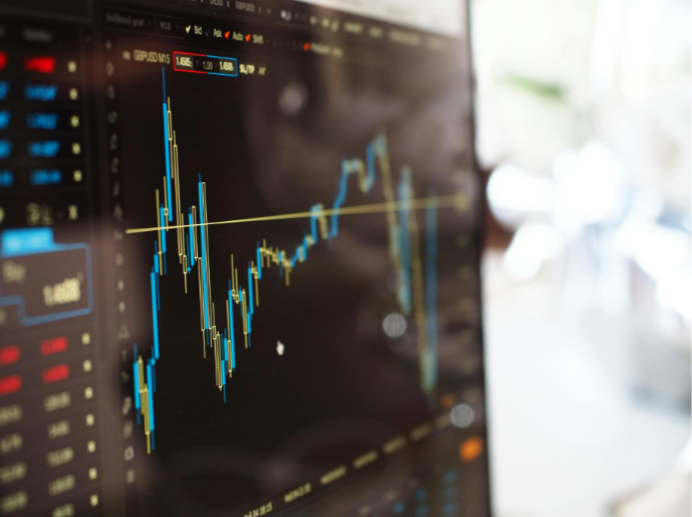
Stocks, funds, and property still form the backbone of many portfolios, but they are not built for speed or flexibility. Forex trading sits outside that structure, responding to global events in real time. Used carefully, it can complement long-term investments without replacing them.
Traditional investing has long revolved around familiar options like equities, bonds, funds, and property. These assets form the backbone of many portfolios because they are widely understood and often tied to long-term growth. At the same time, they tend to move slowly, depend heavily on market cycles, and usually require investors to wait for specific conditions before acting. That reality has led many investors to look for additional ways to balance their exposure without dismantling what already works.
Access Through Regulated Trading Platforms
Participation in the forex market typically happens through online trading platforms that provide access to currency pairs, pricing data and execution tools. In Europe, these platforms operate under regulatory frameworks designed to protect client funds and enforce transparency, which helps keep participation structured rather than informal or unregulated for participants seeking clearer oversight and consistent operating standards across markets.
When you trade with TIOmarkets, you operate within this regulated environment, gaining access to forex markets alongside tools for tracking exposure and managing positions. This setup allows currency trading to function as a controlled extension of an existing portfolio, with regulation reducing operational uncertainty and keeping attention on strategy and risk control.ng portfolio, with regulation reducing operational uncertainty and keeping attention on strategy and risk control.
A Global Market That Never Really Sleeps
One of the defining characteristics of forex trading is its accessibility. The foreign exchange market operates across global financial centres, which means trading opportunities exist nearly twenty-four hours a day during the working week. Unlike stock markets, which open and close at fixed times, currency markets roll from one region to another as trading activity moves between Asia, Europe, and North America.
This constant flow allows traders to respond to economic news, political developments, and central bank decisions as they happen rather than waiting for a market to reopen. For investors used to slower-moving assets, this creates a different rhythm that can complement longer-term positions held elsewhere.
Diversification Beyond Shares and Bonds
Diversification is often discussed in terms of owning different stocks or spreading capital across asset classes. Currencies introduce another layer of variety because they are influenced by broader economic forces rather than individual company performance. Interest rate changes, inflation data, trade balances, and geopolitical events all play a role in currency valuation.
Because these drivers differ from those affecting equities or property, forex exposure can behave differently during periods of market stress or uncertainty. This separation is one of the reasons forex trading is often considered alongside traditional investments rather than in competition with them. It offers a way to engage with global economic trends without relying on corporate earnings or sector-specific growth.
Flexibility and Capital Efficiency
Forex trading is known for its flexibility in both position size and strategy. Investors are not required to commit large sums of capital to participate, and positions can be adjusted or closed quickly as conditions change. This contrasts with assets like property or long-term equity holdings, where capital is tied up for extended periods and exits may be slow or costly.
Another distinguishing feature is the ability to trade both rising and falling markets with equal ease. While traditional portfolios often depend on growth over time, currency trading allows for short-term positioning based on expected movements in either direction. That flexibility makes forex a practical complement for investors who want more control over timing and exposure. For those looking to identify potential opportunities efficiently, stock screeners for day trading can also help filter markets based on specific criteria before making a decision.
Managing Risk Through Structure and Discipline
Risk is present in every form of investing, but forex trading places a strong emphasis on managing it actively. Tools such as stop-loss orders and predefined position sizes allow traders to set boundaries before entering a trade. Rather than riding out downturns passively, risk is addressed upfront and adjusted continuously.
This does not eliminate losses, but it changes how they are handled. For investors accustomed to long-term drawdowns in equity markets, the structured approach to risk in forex trading can feel more deliberate. It encourages discipline and planning rather than emotional decision-making, which can be a useful counterbalance to more passive investment strategies.
A Complement Rather Than a Replacement
Forex trading offers a different way of engaging with financial markets, one that emphasises flexibility, global awareness, and active decision-making. For investors grounded in traditional assets, it can provide diversification and responsiveness without requiring a complete change in strategy. When used thoughtfully, forex becomes less about chasing opportunity and more about balancing a portfolio with tools that respond to a wider set of economic signals.
That balance is what makes forex trading appealing as an addition to classical investments rather than an alternative to them.